

In southern China, there is a coastal district called Dianbai, in Guangdong Province. Over the past years, it has grown into one of China’s most active agarwood production areas. It is not a tourist market built for display. It is a working industry — plantations, workshops, oil distillation rooms, carving studios, and wholesale trading all operating side by side.
For buyers who are interested in agarwood raw material, visiting Dianbai allows you to see everything directly rather than relying only on photos or samples.
A Long History, Now a Modern Industry
Agarwood has been valued in this region for centuries. Historically, it was considered precious enough to be offered as tribute. Fragrance, medicine, ritual use — it carried cultural meaning long before it became a global trade product.
Today, Dianbai’s agarwood industry is being developed as a key local economic project. Plantations have expanded, processing techniques have improved, and the supply chain is more organized than before. Local companies are not only serving the domestic market — agarwood from here has already been exported overseas, including shipments to Saudi Arabia that were covered in Chinese news reports.
The industry here is stable and serious. It is not small-scale backyard trading. It has structure and direction.
What Makes Dianbai Special
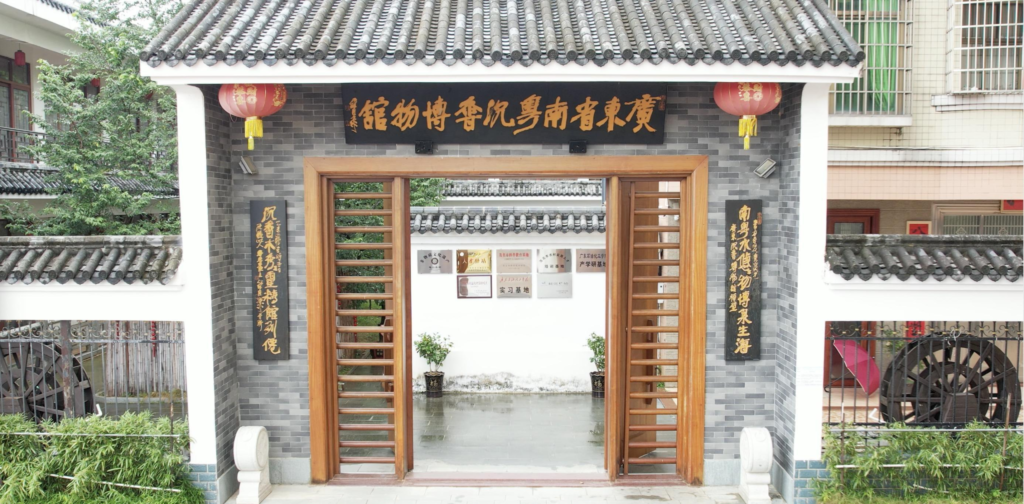
One thing that stands out in Dianbai is how concentrated everything is. There is even a dedicated Agarwood Street — a whole commercial area focused on agarwood trading and processing. You can walk from one shop to another comparing chips, blocks, oils, carvings, and incense products without traveling across different cities.
For small and medium buyers, this matters. You are not locked into one single factory visit. You can talk to different suppliers, compare materials, and understand quality differences in person.
Dianbai is also known for higher-grade materials, including varieties referred to locally as Qi Nan (奇楠). Qi Nan is valued for its dense resin and layered fragrance profile. If you are sourcing different grades for different markets, being able to see these variations side by side is helpful.
Most importantly, you are seeing the source in China directly. You can visit plantations, inspect logs, observe cutting and grading, and speak face to face with an agarwood supplier in China rather than negotiating only online.
Why Visiting Matters

In this business, trust is built through experience. Photos and samples are useful, but standing in front of raw logs, smelling freshly cut wood, or watching oil being distilled tells you much more than a catalog ever could.
If you are considering expanding your supply chain or simply want to understand China’s agarwood production more clearly, visiting Dianbai gives you perspective. You see the material, the scale, the people behind it.
And sometimes that is what makes the difference in long-term cooperation.
If you would like guidance on planning a visit, arranging introductions, or combining your sourcing trip with regional travel, feel free to reach out. We are happy to help you explore the place behind the product.
More Than Just Business

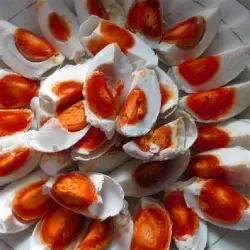
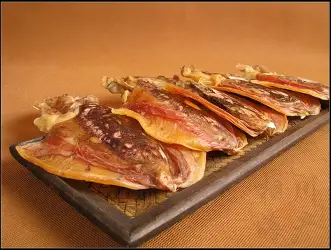
Dianbai is not only about agarwood production. It is also part of a region with strong local traditions and living folk culture.
If you happen to visit during the right season — usually a few weeks after Lunar New Year — you may experience something called Nianli, a large-scale village folk celebration in western Guangdong. In places like Beirong (北荣) and surrounding villages, the atmosphere can be incredibly lively: drum parades, lion dances, ritual processions, and large community banquets.
It is not a staged performance for tourists. It is a real local festival where families host dinners, villages organize parades, and traditional opera troupes perform at night. For visitors who are already here for business, it can be a rare opportunity to see authentic rural Chinese culture up close.
If you are curious about how Nianli works and what to expect, you can read our full introduction here:
👉 What Is Nianli? A Traditional Folk Festival in Western Guangdong
Beyond factory visits and supplier meetings, experiencing local food, seasonal festivals, and daily village life often gives visitors a deeper understanding of the region they are sourcing from.
Business trips can also become cultural journeys — if you time them right.
Most international visitors fly into Guangzhou. From Guangzhou Baiyun International Airport, you can take a high-speed train toward Maoming and reach the Dianbai area in roughly two to three hours.
It is straightforward and convenient. Many buyers plan a short two- or three-day visit, combining factory inspections with meetings and material evaluation.