
China is not just a country; it is a universe unto itself. From the futuristic skylines of its metropolises to the timeless, mist-shrouded karst mountains, the depth of its history, and the irresistible aroma of its regional cuisines, it offers an endless mosaic of experiences.
I will take you beyond the typical lists to discover the best places to travel in China, tailored to your specific needs and dreams.
Beijing: The Grand Pulse of an Empire
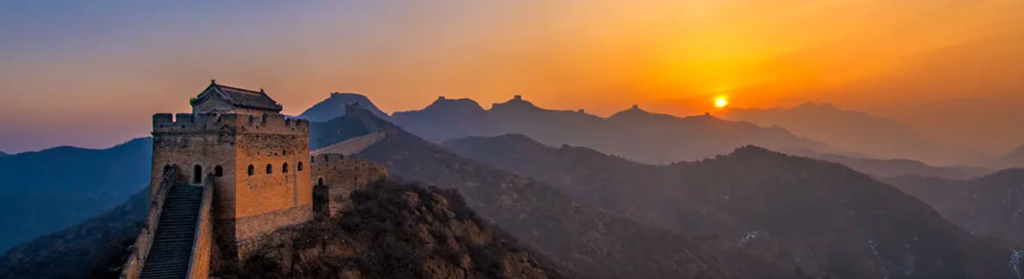
Beijing is the political and cultural heart of China for over 600 years. The Forbidden City is the world’s largest and best-preserved ancient wooden palace complex—no other imperial compound approaches its scale and grandeur . The Great Wall is humanity’s largest architectural project, visible from space (with aid) and representing 2,000 years of continuous construction . The Temple of Heaven’s acoustic properties and architectural perfection are unmatched. It is the definitive “must-see” for any world traveler.
- Global Reputation: Boasts the highest density of UNESCO World Heritage sites in any single city. The Great Wall isn’t one wall but many, built over 2,000 years across 20,000+ km. Hutongs (narrow alleys) represent traditional Beijing life—some date back 800 years .
- Best for: Everyone—it is the essential introduction to China.
- Food: Peking Duck—expertly carved tableside with skin so crispy it melts like sugar.
- Best Time: September to November (The “Golden Autumn” with crisp air and blue skies). But please avoid the National Day holiday.
Xi’an: The Underground Army
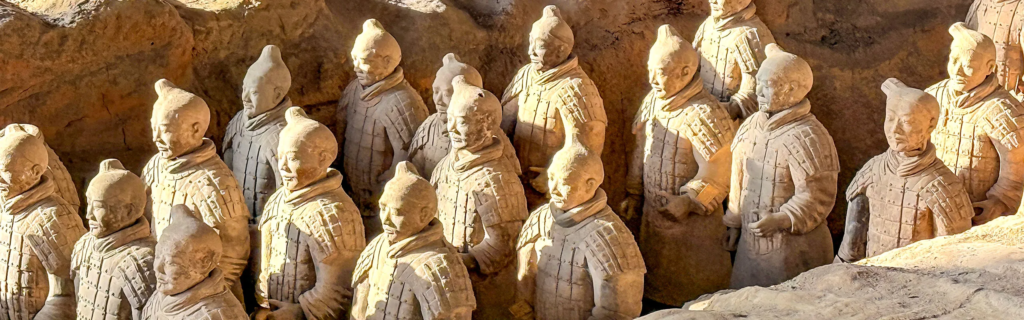
The Terracotta Army is often called the “Eighth Wonder of the World”—and for good reason. Over 8,000 life-sized warriors, each with unique facial features, were buried for 2,200 years to guard China’s first emperor in the afterlife . No other archaeological discovery reveals such scale and individual craftsmanship. Xi’an was also the starting point of the Silk Road and capital for 13 dynasties—more than any other Chinese city.
- Highlight: Emperor Qin’s tomb remains unexcavated—legend says it contains rivers of mercury and a ceiling of pearls. The city walls are the most complete ancient fortifications in China—14 km circumference
- Best for: Families with curious kids and amateur archeologists.
- Food: Roujiamo (The “Chinese Burger”) and Biang Biang noodles.
- Best Time: March to May or September to October.
Shanxi: A Journey into the Mythic Realm of Black Myth: Wukong
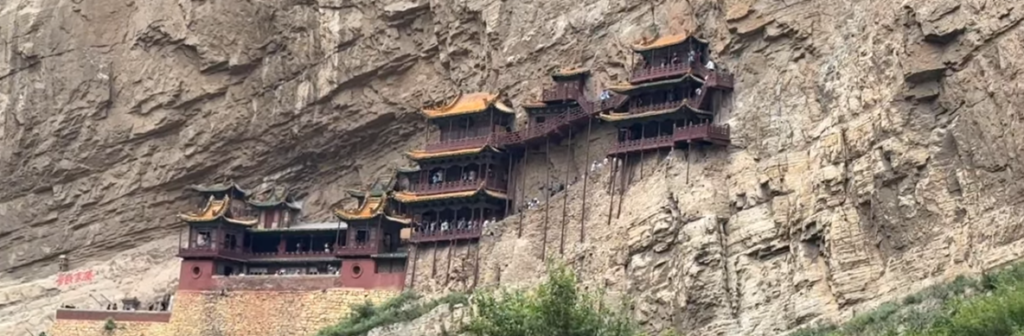
Forget the sleek skyscrapers for a moment and step into a world where ancient timber meets divine artistry. Since the global success of the AAA game Black Myth: Wukong, Shanxi has become the ultimate pilgrimage for those seeking “The Real China.” Here, the world’s most exquisite Tang and Song Dynasty wooden structures aren’t just museum pieces—they are living legends. Imagine standing beneath the towering Yingxian Pagoda or staring into the hauntingly beautiful eyes of Ming-era Buddhist sculptures. It’s a rugged, high-fantasy landscape that feels like a movie set come to life.
- History: Shanxi is China’s undisputed “Museum of Ancient Architecture.” It houses over 75% of China’s surviving wooden structures from before the Yuan Dynasty . The cradle of Chinese civilization, home to the UNESCO-listed Yungang Grottoes. The Hanging Temple is the only existing temple in China dedicated to three religions: Buddhism, Taoism, and Confucianism, all perched precariously on a sheer cliff face
- Best for: Young adventurers (gamers and photographers) and history buffs.
- Food: Sliced Noodles (Daoxiao Mian)—watch the chef shave noodles directly into boiling water with lightning speed.
- Best Time: May to October (Cool and dry).
Dunhuang: The Glimmering Jewel of the Silk Road
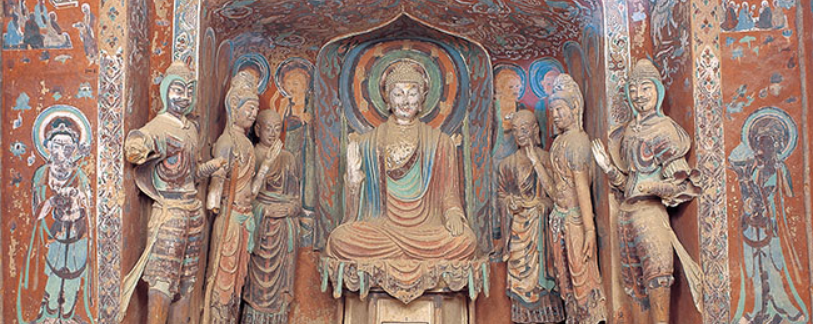
Standing at the edge of the Gobi Desert, Dunhuang feels like a portal to another era. The Mogao Caves house a staggering collection of Buddhist murals and statues spanning a thousand years, often called the “Louvre of the East.” Outside, the Echoing Sand Dunes sing in the wind as you ride a camel toward the Crescent Moon Spring—a literal mirage come to life. This is where East met West for centuries, and that cosmopolitan spirit still lingers in the desert air.
- Features: World-class preservation of Silk Road history. The Mogao Grottoes are one of the world’s greatest treasure houses of Buddhist art—a continuous 1,000-year artistic record that exists nowhere else.
- Best for: History enthusiasts and adventure seekers.
- Food: Donkey Meat Yellow Noodles (a local delicacy for centuries).
- Best Time: May, June, September, and October (Avoid the scorching mid-summer).
Chongqing: The Cyberpunk “City of 8 Dimensions”
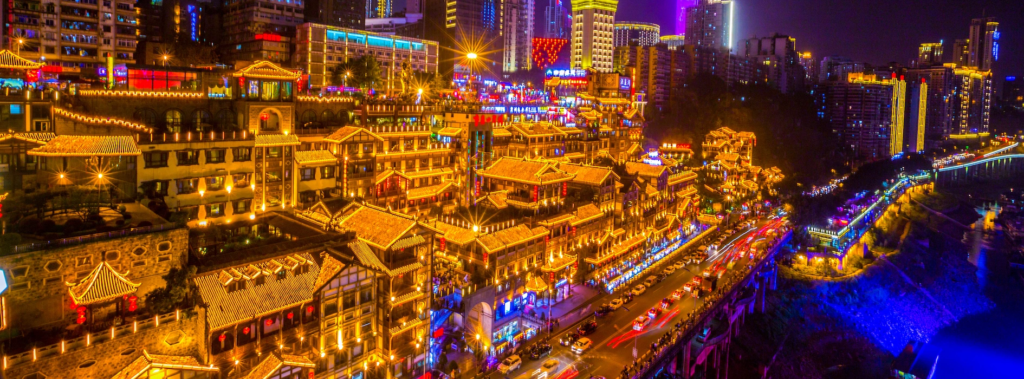
Internationally acclaimed as the “Real-World Cyberpunk City,” Chongqing is a vertical labyrinth that defies logic. It’s a place where a monorail glides through a 19-story apartment building and your GPS will likely give up in frustration. When night falls, the stilt houses of Hongya Cave glow like a scene from Spirited Away, reflecting off the intersection of two mighty rivers. It’s gritty, futuristic, and incredibly cinematic—a playground for the senses that looks like 2077 but feels like a warm, bustling community.
- Features: The “Magic” terrain where the 1st floor and 22nd floor both lead to a street.
- Best for: Young travelers, street photographers, and nightlife seekers.
- Food: The legendary “Numbing” Hotpot. Be prepared to sweat!
- Best Time: March to May or October to December (Avoid the “furnace” heat of summer).
- Practical Tips: GPS apps often fail in Chongqing—ask locals (they’re famously friendly) .Wear comfortable walking shoes—you’ll climb stairs everywhere
Sichuan: Pandas and Paradisiacal Waters
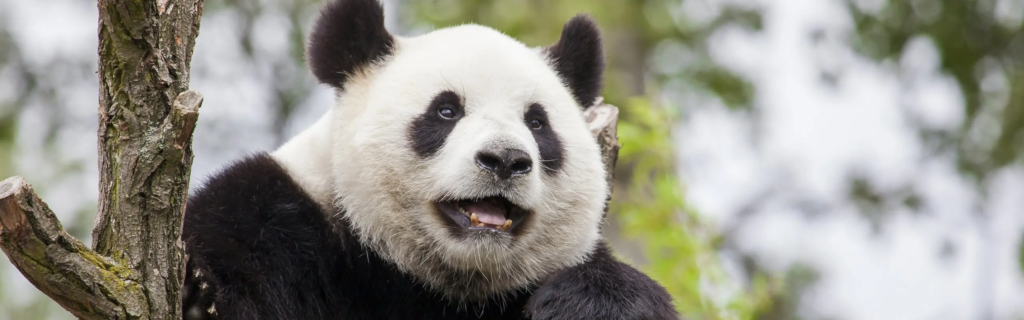
The world’s most beloved animal and its most surreal waters. Jiuzhaigou Valley is a fairyland of turquoise lakes, multi-tiered waterfalls, and snow-capped peaks that exists nowhere else on earth—the water’s clarity and color are due to unique travertine deposits . The Giant Panda is found in the wild only in a few mountain ranges in Sichuan, Shaanxi, and Gansu—and the Chengdu Panda Base offers the best opportunity to see them up close while supporting conservation
- Nature’s Gift: Jiuzhaigou is often called “Fairyland on Earth” by international nature photographers.
- Best for: Families (who doesn’t love pandas?) and nature photographers.
- Food: Mapo Tofu and anything with the famous Sichuan peppercorn for that “numbing” sensation.
- Best Time: October is peak season for the autumn colors, while June is lush and green.
Yunnan: The “Lost Horizon” of the Himalayas
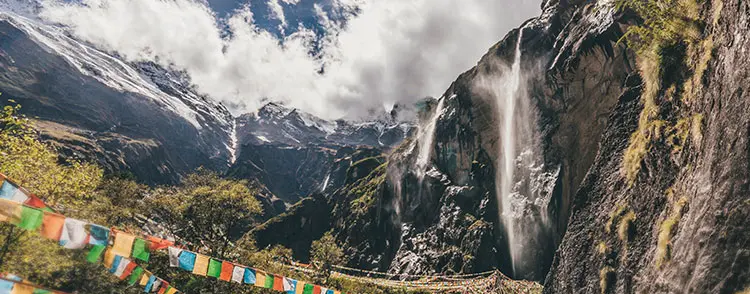
Yunnan is a kaleidoscope of ethnic diversity and dramatic geography. Yunnan is China’s most ethnically diverse province—home to 25 of China’s 55 officially recognized minority groups. In the north, Shangri-La offers a gateway to Tibetan culture with its golden-roofed monasteries and snowy peaks. To the south, the Tiger Leaping Gorge provides one of the world’s deepest and most exhilarating hiking trails, where the Yangtze River thunders through narrow stone walls. Finally, there’s Lugu Lake, the “Kingdom of Women,” where the Mosuo people maintain one of the world’s last matrilineal societies. It is a land of legends and high-altitude magic.
- Vibe: Rugged, spiritual, and incredibly diverse—perfect for the “slow travel” movement.
- Best for: Young hikers, spiritual seekers, and cultural explorers.
- Food: Over-the-Bridge Noodles and yak-butter tea.
- Best Time: April to June (wildflowers) or September to November (clear mountain views).
Guilin: The Quintessential Chinese Landscape
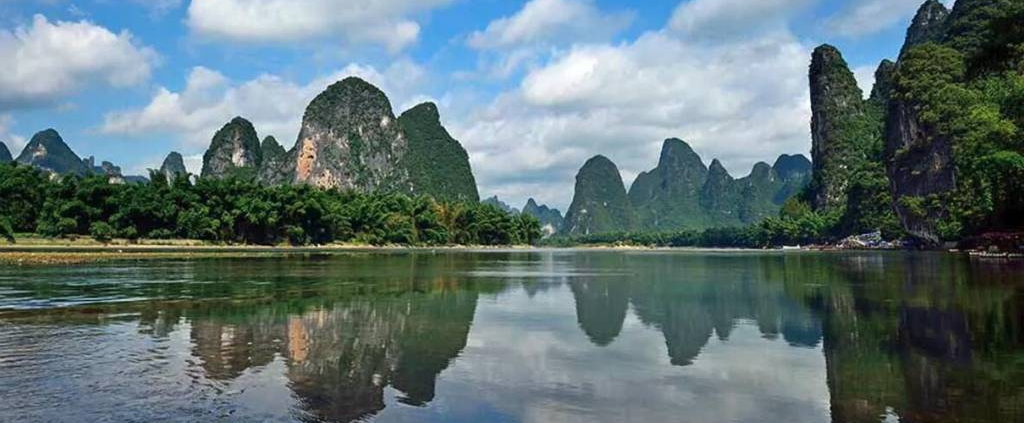
For centuries, poets have declared “Guilin’s scenery is the best under heaven.” This is the China you see on traditional ink wash paintings—emerald karst peaks rising abruptly from the mist-shrouded Li River. While Guilin provides the gateway, Yangshuo offers the escape. Imagine drifting on a bamboo raft at sunrise, or cycling through emerald rice paddies with limestone giants as your backdrop. It’s the ultimate “Slow Life” experience that has charmed backpackers and digital nomads for decades. The image on the 20 yuan banknote (taken at Xingping) is the most reproduced Chinese landscape in the world . Nowhere else on earth do limestone peaks create such an ethereal, painterly effect.
- Global Reputation: Listed by National Geographic as one of the world’s most beautiful river landscapes.
- Best for: Families with kids (easy hiking/rafting) and couples seeking romance.
- Food: Guilin Rice Noodles and Beer Fish.
- Best Time: Spring (March-May) for misty “ink painting” scenery and rice terraces filling with water; Autumn (September-November) for clear skies and golden rice paddies . Avoid summer crowds and winter chill.
Fujian: Red Brick Heritage and Island Breezes
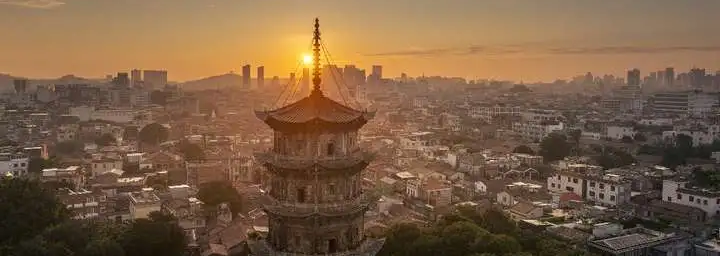
Xiamen is China’s “Garden by the Sea,” a breezy, Mediterranean-vibe city blended with profound Southern Min (Minnan) culture. Just across the water lies Gulangyu Island, a UNESCO site famous for its colonial-era architecture and piano heritage. But the real hidden gem nearby is Quanzhou—once the starting point of the Maritime Silk Road. It’s a “Museum of World Religions” where ancient mosques, Hindu carvings, and Buddhist temples coexist on the same street, wrapped in the aroma of incense and salty sea air.
- Culture: A vibrant mix of Nanyin music, puppet shows, and elaborate temple architecture.
- Best for: Families and foodies looking for a relaxed, high-quality lifestyle.
- Food: Satay Noodles (Shacha Mian) and Oyster Omelets.
- Best Time: October to April (Enjoy the mild “winter” of the south).
Jiangnan Water Towns: A Step Back in Time
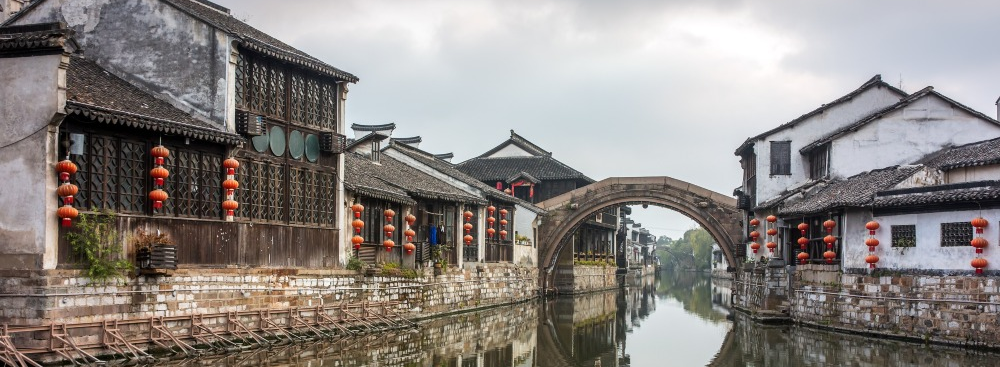
The water towns of the Yangtze Delta (like Wuzhen and Zhouzhuang) are the poetic heart of China. These ancient towns are built on interconnected canals, with Ming and Qing dynasty houses dipping their stone feet into the water. As a wooden boat glides under an arched stone bridge, the world slows down. These canal towns represent the idealized vision of classical China—”little bridges, flowing water, people’s homes.” Zhouzhuang, Wuzhen, and Xitang preserve a way of life that has largely disappeared from modern China. With stone bridges dating back centuries, whitewashed houses along canals, and locals still living much as they have for generations, these towns offer a glimpse into the world that inspired Chinese poetry and painting. It’s the ultimate expression of Chinese elegance and sophistication.
- Experience: suzhou Known as the “Venice of the East”—classical gardens are UNESCO sites .
- Best for: Couples and elderly travelers seeking comfort and charm.
- Food: Wuzhen’s “three white” dishes (white water fish, white water shrimp, silverfish), Xiaolongbao (Soup Dumplings).
- Best Time: March to May (The romantic “rainy season” of Jiangnan).
China is no longer just a destination on a map; it is a profound experience that bridges the gap between ancient dynasties and a high-tech future. Whether you are chasing the mythic shadows of Black Myth: Wukong in the temples of Shanxi, sharing a moment with giant pandas in Sichuan, or getting lost in the neon-lit vertical mazes of Chongqing, this vast land offers a story for every traveler.
However, navigating such a diverse country—with its unique languages, vast distances, and hidden cultural nuances—can be overwhelming. That’s where we come in. At Lifeat8, we don’t just book trips; we craft legacies. As local experts with a global perspective, we specialize in transforming your “must-see” list into a seamless, personalized itinerary that fits your pace, your passions, and your family’s needs.
Ready to stop dreaming and start exploring? Contact us today for a Customized China Route Consultation. Let us handle the logistics while you focus on making memories. From exclusive heritage access to the best-hidden local eats, we bring the heart of China to you.