
Your eyes are burning. Your head feels foggy. And that subtle “inner fire” just won’t quit.
You’re not alone. If you spend 8+ hours in front of a screen (and let’s be honest – most of us do), you’ve felt it. The 4 PM crash. The dry, gritty feeling in your eyes. The weird irritability that has no real cause.
In the West, we call it digital eye strain or just “being tired.” But in the wisdom of Traditional Chinese Medicine (TCM) – and the philosophy of preventative wellness (what the ancients called “治未病” – treating disease before it appears) – this is a sign of Internal Heat building up inside your body.
Before you reach for another eye drop or a third coffee, there’s a golden flower that has quietly solved this problem for over 2,000 years.
Chrysanthemum tea.
No, it’s not just a pretty, floral drink. It’s a functional, preventative tool designed for the screen age – even though it was invented long before screens existed.
Why This Flower Works (No Woo-Woo, Just Science & Ancient Logic)
Let’s skip the mystical language. You don’t need to believe in “qi” to feel the benefits. Here’s what’s actually happening.
🌿 Natural Cooling ≠ Temperature
When you drink chrysanthemum tea, it doesn’t physically lower your body temperature like an ice pack. Instead, it works as a physiological regulator. The “heat” you feel – red eyes, sore throat, flushed face, irritability – is often your body’s inflammatory response to stress, poor sleep, and too much screen time.
Chrysanthemum acts like a gentle, natural anti-inflammatory. Think of it as a biological thermostat that turns down the “stress heat” without any side effects.
🔬 Luteolin & Beta-Carotene: The Real Heroes
Modern phytochemistry agrees with the old texts.
- Luteolin – a potent flavonoid in chrysanthemum – is a powerful antioxidant that specifically calms neuroinflammation. Studies show it protects retinal cells from blue light-induced damage.
- Beta-carotene (yes, the same stuff in carrots) converts to vitamin A in your body, which is essential for night vision and preventing dry eyes.
You’re not drinking a tea. You’re drinking a science-backed eye-protection formula.
👁️ The Liver-Eye Connection (This Is the “Preventative” Magic)
Here’s where Eastern wisdom outsmarts Western symptom-chasing.
In TCM, the liver is responsible for storing blood and ensuring your eyes are well-nourished. When you stare at a screen for hours, you “consume” liver blood. The liver gets stressed, produces “heat,” and that heat rises to your eyes.
Chrysanthemum tea doesn’t just put a band-aid on your tired eyes. It cools and supports the liver – the root organ.
That’s “治未病” in action: treat the internal cause (liver imbalance) before it becomes a chronic problem (migraines, insomnia, or vision degeneration).
But Not All Chrysanthemums Are Equal: Which One Should You Choose?
Here’s the detail most Western blogs miss. China grows dozens of chrysanthemum varieties for tea, and each one has a different personality, potency, and purpose.
Choosing the wrong type is like putting diesel in a gasoline engine – it might still run, but not optimally.
Below are the four main types you’ll encounter. Read their “best for” descriptions, then pick the one that matches your symptoms.
| Type | Appearance | Flavor | Best For | Potency |
|---|---|---|---|---|
| Baby Chrysanthemum | Tight, unopened golden buds | Sweet, honey-like, rich | Red, burning eyes; acne; irritability; strong “liver fire” | Strongest |
| Tribute Chrysanthemum | White petals, golden center | Clean, mild, slightly sweet | General screen fatigue, headaches, mild hypertension | Moderate |
| Hangzhou White | Small white flat flowers | Gentle, slightly sweet | Everyday wellness, beginners, early cold symptoms | Mildest |
| Golden Silk Chrysanthemum | Large, long-petaled golden-yellow blooms | Soft, floral, subtly sweet | Aesthetic tea ceremonies, mild eye fatigue, stress relief | Mild to moderate |
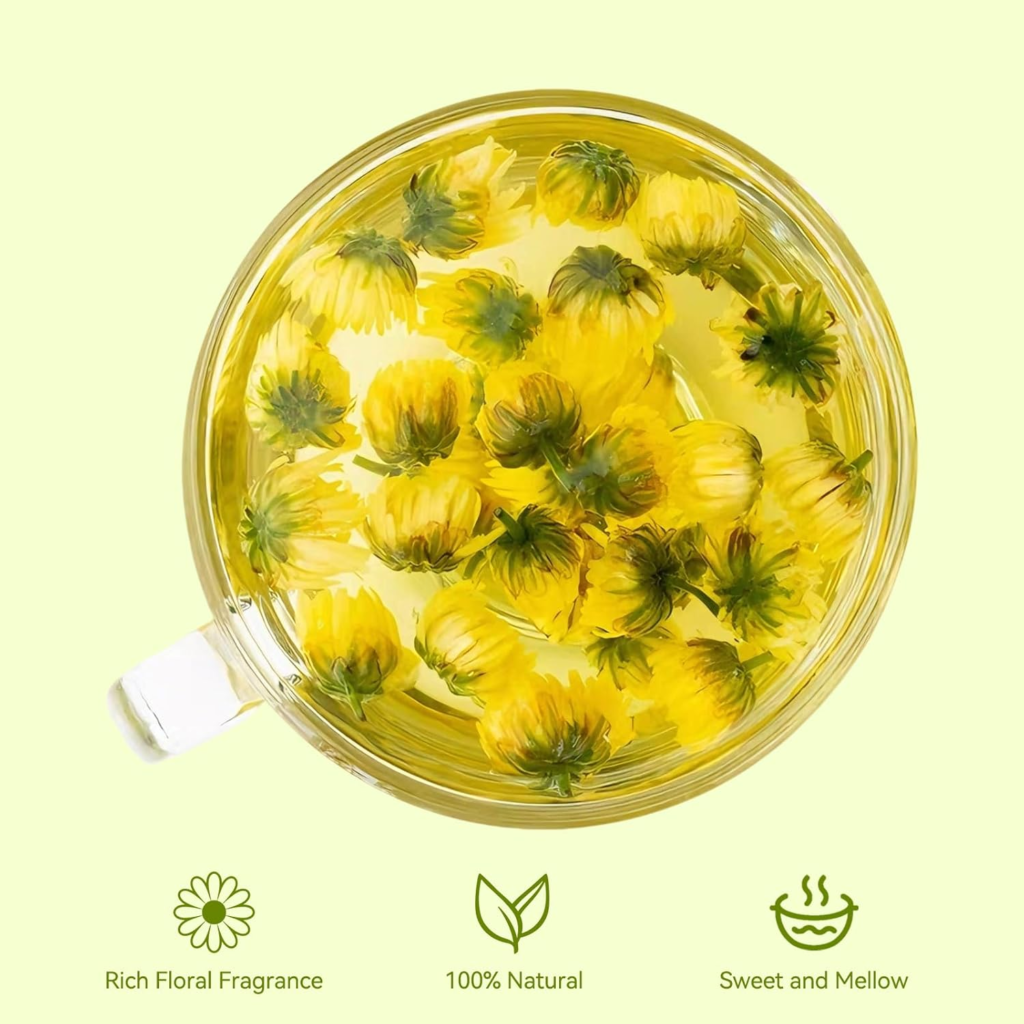
🌼 Baby Chrysanthemum (Tai Ju) – The Potent Powerhouse
Harvested as unopened buds, Baby Chrysanthemum contains nearly double the luteolin and flavonoids of fully opened flowers.
Choose this if:
- Your eyes feel red, hot, and painful after screen time (not just tired).
- You have acne breakouts or feel unusually irritable.
- You run “hot” – always warm, loves cold drinks.
Taste: Sweet and honey-like – surprisingly pleasant for such a potent tea.
My link: [Insert your Baby Chrysanthemum affiliate link here]
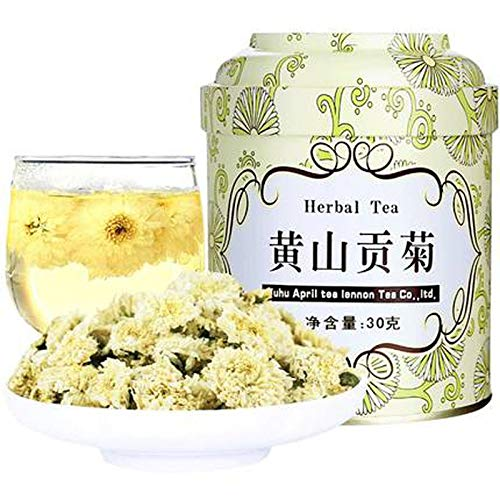
👑 Tribute Chrysanthemum (Gong Ju) – The Everyday Eye Saver
Once reserved for emperors, this fully opened white flower from the Huangshan mountains is the best all-rounder.
Choose this if:
- You have standard digital eye strain – dry, tired, slightly blurry vision.
- You also get mild headaches or dizziness.
- You have a sensitive stomach or tend to feel cold (this is the gentlest cooling option).
- You’re new to chrysanthemum tea.
Taste: Clean, elegant, with subtle honey notes. No bitterness.
My link: [Insert your Tribute Chrysanthemum affiliate link here]
🌸 Hangzhou White Chrysanthemum (Hang Bai Ju) – The Gentle Classic
The most common restaurant variety. It’s affordable, reliable, and mild.
Choose this if:
- Your eye strain is very mild.
- You want a daily hydrating tea without strong medicinal effects.
- You feel a scratchy throat or early signs of a cold.
Taste: Sweet and mild – the “gateway” chrysanthemum.
My link: [Insert your Hangzhou White affiliate link here]
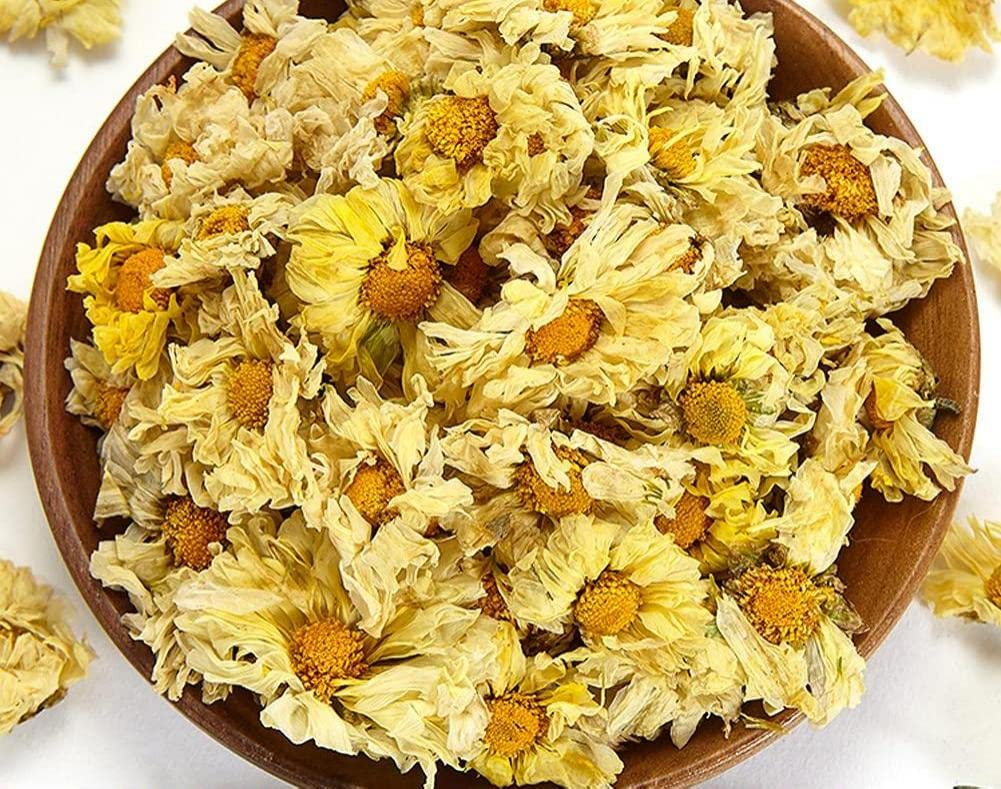
🌟 Golden Silk Chrysanthemum (Jin Si Huang Ju) – The Visual Star
This is the showstopper of the chrysanthemum world. With its large, golden-yellow petals and long, silky strands, it unfurls into a stunning bloom when steeped – like a living flower reawakening in your cup.
Choose this if:
- You want a beautiful tea experience – perfect for guests, self-care Sundays, or Instagram-worthy moments.
- Your eye strain is mild and you value relaxation over intense medicinal effect.
- You find other chrysanthemums slightly too bitter (Golden Silk is naturally sweeter).
- You’re brewing iced tea or cold-brew (it holds up beautifully).
Taste: Soft, floral, subtly sweet – almost no bitterness. More aromatic than other varieties.
Potency note: While it does cool the liver and brighten the eyes, Golden Silk is milder than Baby or Tribute. Think of it as a gentle daily companion rather than a targeted treatment.
My link: [Insert your Golden Silk Chrysanthemum affiliate link here]
The Ritual: How to Drink Chrysanthemum Tea Like an Expert
Once you’ve chosen your variety, here are three recipes – each optimized for a specific goal. Match the recipe to your chosen flower.
1. The Vision Booster (Everyday Screen Defense)
Best with: Tribute Chrysanthemum or Baby Chrysanthemum (for severe strain)
Ingredients:
- 5-6 chrysanthemum buds (Tribute or Baby)
- 10-15 goji berries (packed with zeaxanthin for retinal protection)
Why it works: Goji adds natural sweetness and a massive punch of eye-protecting carotenoids. Together, they cool the liver and directly nourish the retina.
How to brew: Rinse both briefly with hot water (pour out). Then steep in 350ml (12oz) of 200°F (93°C) water for 3-5 minutes. You can resteep the same flowers 2-3 times.
2. The Stress Reliever (Post-Meeting Meltdown)
Best with: Tribute Chrysanthemum (gentle enough for nervous systems)
Ingredients:
- 5 chrysanthemum flowers
- 3-4 dried rose buds
Why it works: Rose soothes the nervous system and moves stagnant liver energy – perfect after a tense Zoom call or long meeting.
Taste: Floral, slightly sweet, like a hug in a mug.
3. The Summer Cooler (Iced & Refreshing)
Best with: Hangzhou White (mild enough for large batches) or Baby (for extra kick)
Ingredients:
- 8 chrysanthemum flowers
- A small pinch of honeysuckle (optional, but powerful for heat)
Why it works: Honeysuckle is nature’s antibiotic. Combined with iced chrysanthemum, it’s the ultimate summer drink for anyone who runs “hot” – skin breakouts, sore throats, or just feeling overheated.
How to brew: Steep double-strength (2x flowers) in 200ml hot water for 5 minutes, then pour over a glass full of ice.
The Curated Gear: What I Actually Use (Affiliate Links)
After testing dozens of brands, here’s where I personally buy each variety. These links support this blog at no extra cost to you.
🌼 Best Baby Chrysanthemum (Tai Ju)
Look for unopened golden buds – sulfur-free. The best comes from the Tongxiang region of Zhejiang Province.
➡️ My go-to: [Insert your Baby Chrysanthemum affiliate link here]
👑 Best Tribute Chrysanthemum (Gong Ju)
Seek out the Huangshan Geographical Indication label. It guarantees authenticity and proper drying (no sulfur).
➡️ I use this: [Insert your Tribute Chrysanthemum affiliate link here]
🌸 Best Hangzhou White (Hang Bai Ju)
A budget-friendly option that’s still high quality. Look for whole, intact flowers – not broken petals.
➡️ Recommended: [Insert your Hangzhou White affiliate link here]
🍒 Best Goji Berries for Vision
Moist, organic, unsulfured. The taste should be like a sweet, earthy raisin.
➡️ I use these: [Insert your Goji berry affiliate link here]
🫖 Best Teaware for the “Bloom” Experience
A double-walled glass mug keeps your tea hot while letting you watch the flowers slowly open. It turns tea time into a meditation.
➡️ This one never breaks (and is dishwasher-safe): [Insert your double-walled glass mug affiliate link here]
Pro Tips: 3 Things Most Westerners Get Wrong
You’ve got the flowers. Now avoid these rookie mistakes.
1️⃣ The Quick Rinse (“Waking the Flowers”)
Never skip this. Put your chrysanthemum buds in the mug, pour a small amount of boiling water, swirl for 5 seconds, and pour it out.
Why? It removes any dust, sulfur residues (if not organic), and “wakes up” the flowers so they release more flavor and antioxidants in the second brew.
2️⃣ Sweeten the Right Way
Does chrysanthemum tea taste bitter? A little. That’s the medicine working. But don’t use white sugar – it creates more internal heat (counterproductive).
Instead, use:
- Rock sugar (冰糖) – the classic TCM sweetener. It’s cooling and smooth.
- Raw honey – add only after the tea cools to 140°F (60°C) to preserve enzymes.
3️⃣ Allergy Warning (Important!)
Chrysanthemum is part of the daisy family (Asteraceae) . If you’re allergic to ragweed, marigolds, or daisies, start with a tiny sip or skip it entirely. Symptoms can include mild rash or – rarely – respiratory issues.
When in doubt, consult your healthcare provider. This is food, not medicine – but respect your body.
Quick Decision Guide: Which Chrysanthemum Should You Buy First?
Still unsure? Answer these two questions:
Q1: How intense is your screen fatigue?
- Mild (just tired eyes at the end of the day) → Hangzhou White
- Moderate (dry, slightly red eyes, occasional headaches) → Tribute Chrysanthemum
- Severe (burning red eyes, acne, irritability, feeling “hot”) → Baby Chrysanthemum
Q2: Do you usually feel cold or warm?
- Always cold hands/feet → Stick with Tribute (gentlest)
- Normal or warm → Any variety works, even Baby
My personal recommendation for 80% of readers: Start with Tribute Chrysanthemum. It’s the most balanced, works for most screen fatigue cases, and tastes great without sugar. If you still feel “hot” after two weeks, upgrade to Baby.
Final Sip: Prevention Is the Ultimate Luxury
You don’t need to wait for a diagnosis to start taking care of your eyes, your liver, or your stress levels.
That’s the beauty of “治未病” – the ancient art of preventing sickness before it arrives.
Chrysanthemum tea isn’t a dramatic cure. It’s a small, delicious, daily act of intelligence. A 5-minute pause in your screen-filled day. A reminder that the wisest medicine often comes from the garden, not the pharmacy.
Pour yourself a cup. Watch the flowers bloom. And feel that inner heat quietly fade away.
Disclaimer: This post contains affiliate links. I only recommend products I personally use and trust. This information is for educational purposes and is not a substitute for professional medical advice.