
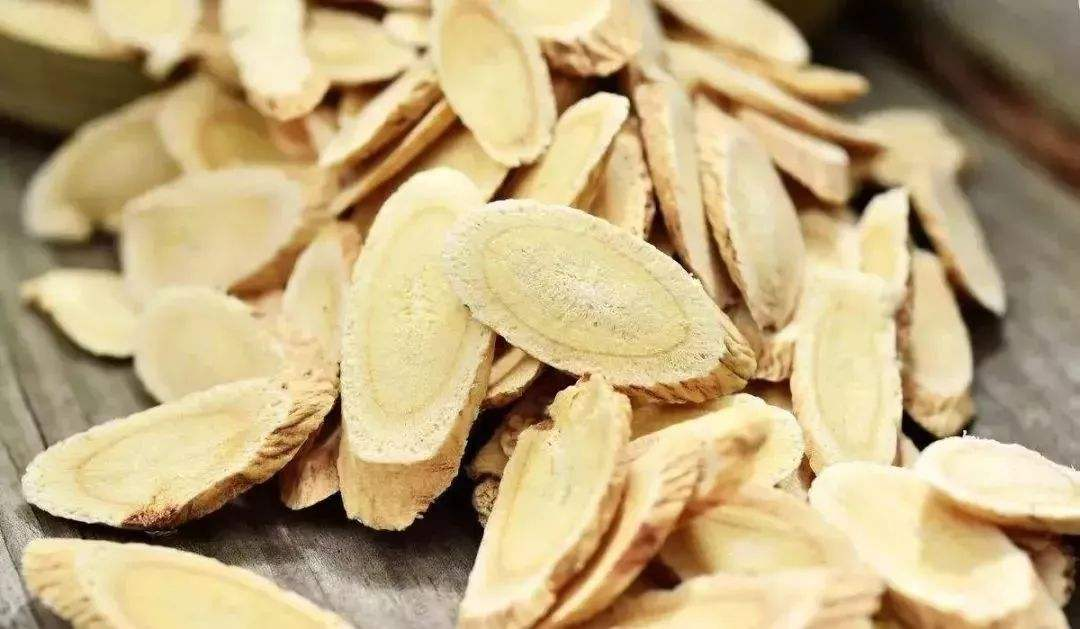
If you have ever looked for natural ways to support your immune system, you have probably seen astragalus. In many health food stores, it comes in capsules or liquid extracts, often labelled as an “immune booster” or “anti‑inflammatory.”
And that is fine. Modern science does suggest astragalus can help with those things.
But if you visit a Chinese kitchen, you will see something completely different. No capsules. No pills. Instead, you will find a small handful of dried root slices sitting in a pot of gently boiling water, filling the room with a sweet, earthy smell.
Because in China, astragalus is not treated like a supplement. It is treated like a daily cup of wellness — something you drink to keep yourself feeling steady, not to fix an emergency.
Let me show you what that looks like.
The “Elder of Tonics”: A 2,000-Year-Old Legacy
Astragalus is no newcomer to the world of wellness. Its medicinal use dates back more than two millennia. The earliest known record appears in the Wǔshí’èr Bìngfāng (Prescriptions for Fifty-Two Diseases), a silk manuscript unearthed from the Han Dynasty tomb at Mawangdui. Shortly after, it was listed as a superior-grade herb in the Shénnóng Běncǎo Jīng (The Divine Farmer’s Materia Medica), the foundational text of Chinese herbal medicine written around 200 AD.
The classic text praised astragalus for treating chronic ulcers, draining pus, relieving pain, replenishing deficiency, and even addressing childhood illnesses. Over the centuries, its reputation only grew. By the Qing Dynasty, physician Wang Qingren elevated it further by emphasizing its role in “activating blood” and “supplementing Qi”. Today, astragalus is officially listed in the Pharmacopoeia of the People’s Republic of China and is used worldwide as a foundational herb for supporting vitality and immune function.
That said, scientific studies have found that astragalus has real benefits. Research suggests it can help:
- Support the immune system — so you may get sick less often, or recover faster.
- Reduce inflammation — which is linked to many long‑term health issues.
- Protect the heart and blood vessels — by helping with blood pressure and cholesterol.
- Aid digestion — especially after rich or greasy meals.
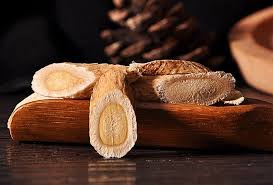
None of these effects happen overnight. But over weeks and months of regular use, many people notice they simply feel better — fewer colds, less afternoon tiredness, and a general sense of being more re
A Different Way to Think About “Inner Fuel”
To understand astragalus, you first need to understand Qi (pronounced “chee”). In TCM, Qi is the vital life force that flows through every cell, organ, and meridian in your body. Think of it as your internal battery. When your Qi is abundant and flowing smoothly, you feel energetic, resilient, and grounded. When your Qi is deficient, everything suffers: your digestion slows, your immunity weakens, your limbs feel heavy, and your mind feels foggy.
Astragalus — called Huáng Qí in Chinese — is the best‑known root for gently supporting your Qi. Not by shocking your system, but by helping it work better over time, the way steady rain soaks into dry ground.
How the Chinese Drink Astragalus Every Day
Here is the most important thing to know about astragalus: you have to boil it.
The beneficial compounds inside the dried root are not water‑soluble enough to come out with a quick steep, the way tea leaves do. They need time and heat. A 15‑ to 20‑minute simmer turns plain water into a golden‑brown, mildly sweet drink that actually does something.
This is exactly how Chinese people have prepared astragalus for centuries. Not as a quick tea bag, but as a slow, gentle boil.
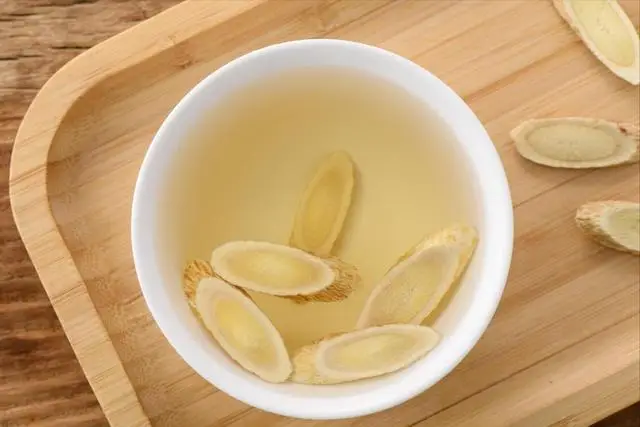
The Basic Method (Start Here)
- 5–8 thin slices of dried astragalus root (about 10 grams)
- 3–4 cups of cold water
Put both in a small pot. Bring to a boil, then lower the heat and let
Better Together: Classic Pairings
These are the combinations you will see in Chinese kitchens, tea shops, and even office break rooms.
1. Astragalus + Red Dates (Jujubes)
- Why: Red dates add natural sweetness and are traditionally said to “nourish the blood.” Together with astragalus, they make a tea that is gently warming and comforting — perfect for anyone who often feels cold or run‑down.
- How: Add 3–4 pitted red dates to the pot along with the astragalus. They can be boiled together.
- Taste: Sweeter and fuller, almost like a mild dessert tea.
2. Astragalus + Goji Berries (Important: Do Not Boil Goji Berries)
- Why: Goji berries are famous for supporting eye health and liver function. But here is the key: goji berries should never be boiled. Boiling destroys some of their delicate nutrients.
- How: After you have finished simmering the astragalus and poured the hot tea into your cup, add a small handful (about 10–15) of dried goji berries directly into the cup. The hot tea will gently steep them in 2–3 minutes.
- Taste: A bright, slightly fruity note that pairs beautifully with astragalus.
3. Astragalus + Ginger
- Why: Fresh ginger is warming and helps with digestion. This combination is perfect when you feel a chill coming on, or after a heavy, oily meal.
- How: Add 3–4 thin slices of fresh ginger to the pot from the beginning. Ginger can be boiled.
- Taste: Spicy and warming, with astragalus smoothing out the sharpness.
4. Astragalus + Honey
- Why: Honey adds its own gentle benefits (soothing the throat, antibacterial). More importantly, it makes the tea approachable for anyone who finds plain astragalus too “earthy.”
- How: Stir in a teaspoon of honey after you have turned off the heat and the tea has cooled slightly. Never add honey to boiling water — it destroys some of its active compounds.
- Taste: Sweet, smooth, like a light herbal infusion.
5. Astragalus + Lemon
- Why: Lemon adds vitamin C and a fresh, bright flavour. This is a more modern combination, popular in warmer weather.
- How: Squeeze half a lemon into your cup after pouring the hot tea. (Do not boil the lemon.)
- Taste: Refreshing, slightly tart, with the astragalus sweetness underneath.
In the Kitchen: Astragalus as Food
One of the most beautiful things about Chinese food culture is the principle of “medicine and food sharing the same source” . Astragalus is a perfect example of this philosophy.
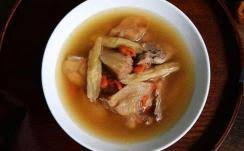
Astragalus chicken soup is a classic home remedy in Chinese households. The recipe is simple: take a whole chicken, add 15–20 grams of astragalus slices, a handful of red dates, some goji berries, and fresh ginger. Simmer for 1.5 to 2 hours. The result is a golden, deeply nourishing broth that families serve to anyone recovering from illness, feeling run down, or simply needing a boost of warmth and vitality.
A Few Things to Keep in Mind
Astragalus is very safe for most people. But there are a few times to skip it:
- When you have a fever or an active cold. Traditional wisdom says you should not use a tonic while your body is fighting off an invader. Wait until you are well.
- If you have an autoimmune condition (such as rheumatoid arthritis, lupus, or type 1 diabetes). Astragalus can stimulate the immune system, which might make things worse. Ask your doctor first.
- If you are pregnant or breastfeeding. There is not enough safety data. Better to wait.
- If you take medications for blood pressure, blood sugar, or immune suppression. Astragalus can interact with some drugs. A quick chat with your doctor is wise.
For healthy people, drinking astragalus tea a few times a week is perfectly fine. One pot a day is plenty. More is not better.
Where to Learn More
This post is about the everyday side of astragalus — the way real people drink it in their own kitchens. If you are curious about the science (clinical studies, active compounds, how to choose quality astragalus), we have a separate Industry & Research section for that. Look for:
- [The Science Behind Astragalus: What Studies Actually Say] (coming soon)
- [Astragalus Capsules vs. Whole Root: What is the Difference?] (coming soon)
- [How to Buy Good Astragalus: A Simple Guide] (coming soon)
Try It Yourself
If you have only ever seen astragalus in a capsule, you are missing something. Capsules are convenient. But they are also… silent. You do not taste the root. You do not smell it. You do not get the quiet ritual of simmering it on a cold morning and watching the water turn gold.
That ritual matters. Not because it is magic, but because it turns wellness into a small, daily pleasure — something you do for yourself, slowly and gently.
So here is my suggestion: Get a small bag of dried astragalus slices. Not powder, not extract — the actual root. Put a few slices in a pot with water. Simmer for 20 minutes. Pour yourself a cup. Add a red date or a slice of ginger if you like.
And then, instead of rushing, just sit with it. Do this a few times a week. See how you feel after a month.
I think you will be pleasantly surprised.
This article is for general informational purposes and does not constitute medical advice. Always consult a qualified healthcare professional before adding new herbs to your routine, especially if you have underlying health conditions or take prescription medications.