
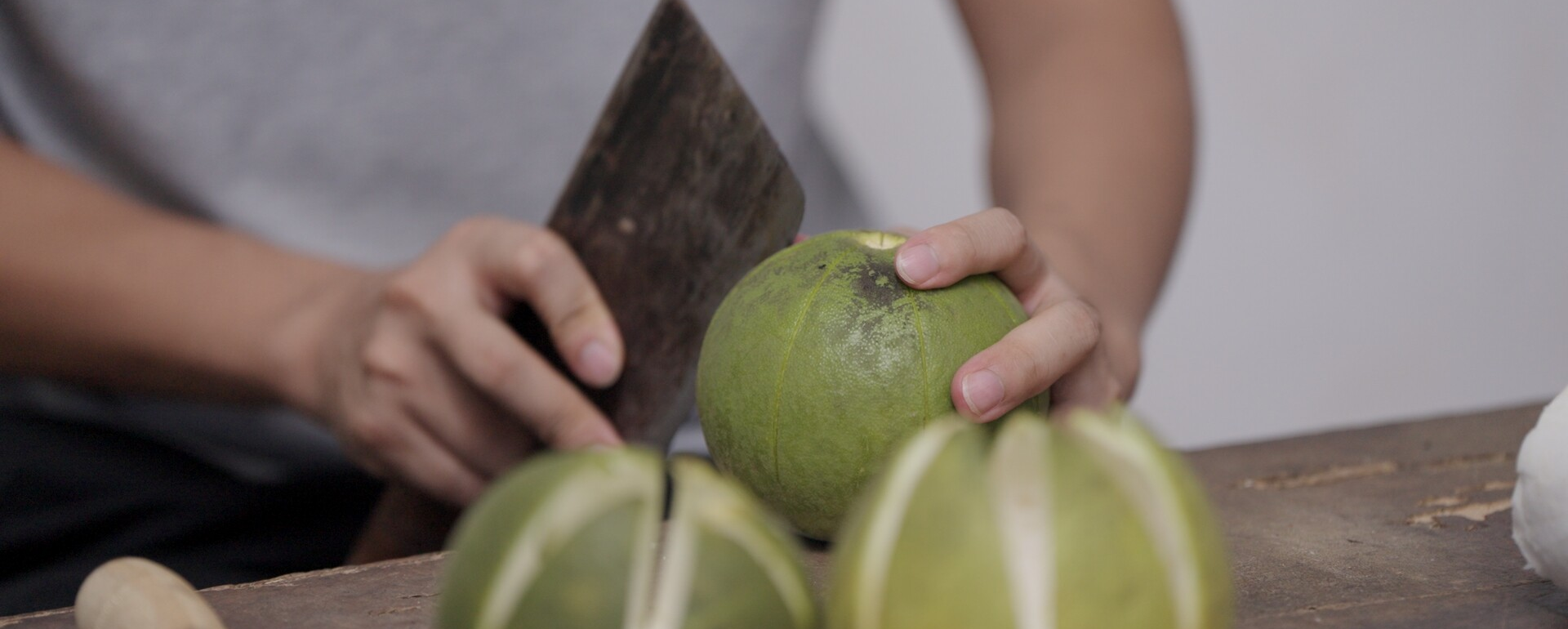
Recently, a traditional Chinese herbal product called Huajuhong has attracted unexpected international attention.
Chinese Foreign Ministry spokesperson Hua Chunying recently mentioned Huajuhong in a public discussion about traditional Chinese health culture. After the comment appeared in news reports, many people became curious about this little-known Chinese specialty.

For travelers exploring China, Huajuhong is actually something you might encounter in many places — especially if you visit the southern city of Huazhou, where this unique citrus-based remedy originates.But what exactly is Huajuhong, and why has it been valued in China for centuries?
A Traditional Chinese Answer to Cough and Respiratory Discomfor
In traditional Chinese health culture, food and medicine are often closely connected. There is a concept called “medicine and food sharing the same origin”, meaning some natural ingredients can both nourish the body and help relieve certain symptoms.
Huajuhong is one of those ingredients.
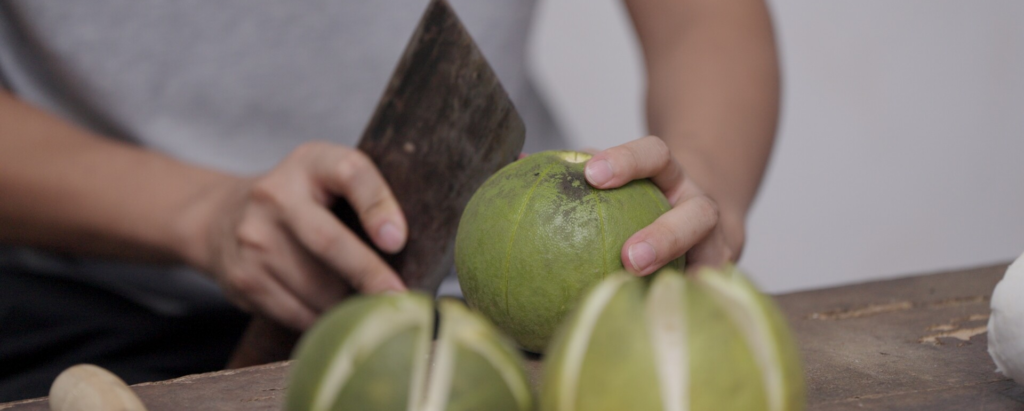
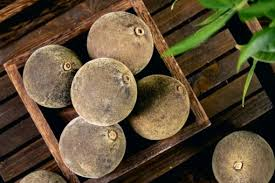
It is made from the dried peel of a special variety of citrus fruit grown almost exclusively in Huazhou in southern China. For generations, Chinese families have used Huajuhong when dealing with common problems like:
- persistent cough
- throat irritation
- excess phlegm after a cold
Instead of taking pills immediately, many people simply brew a small piece of Huajuhong in hot water, creating a mild herbal tea.
The taste is slightly bitter at first, followed by a gentle citrus fragrance.
A Specialty That Once Served as an Imperial Tribute
Huajuhong is not just a household remedy — it also has a long history.
Historical records show that high-quality Huajuhong from Huazhou was once considered valuable enough to be sent to imperial courts as a tribute during certain dynasties.
The region’s unique climate, soil, and traditional cultivation methods are believed to contribute to its quality. Because of this, Huazhou Huajuhong eventually became a recognized geographical specialty of China.
Today, Huazhou has developed an entire industry around this traditional product, including cultivation, processing, herbal products, and health foods.
How Chinese People Actually Use Huajuhong in Daily Life
One interesting thing about Huajuhong is that it is not used only when someone is sick.
In many households, it appears in everyday situations.
For example:
After a heavy meal during Chinese New Year celebrations, when food is often oily and rich, people sometimes brew Huajuhong tea to help digestion.
Some people also drink it after social gatherings involving alcohol, as it is believed to help clear the throat and stomach.
Others simply enjoy it as a mild herbal tea during seasonal changes, especially when the weather becomes dry.
These small daily habits are part of the reason Huajuhong has remained popular for generations.
Different Products Made from Huajuhong
While the traditional form is simply dried citrus peel slices, the modern Huajuhong industry has developed many new products.
Visitors to Huazhou may see shops selling:
- Huajuhong herbal tea
- lozenges for throat comfort
- powdered herbal drinks
- honey-infused Huajuhong products
These products make the traditional remedy easier for modern lifestyles.
Visiting Huazhou: Where Huajuhong Comes From
If you travel through southern China, especially in Guangdong Province, you may start noticing signs and shops advertising Huazhou Huajuhong.
In Huazhou itself, Huajuhong is more than just a product — it is part of local identity. The city has processing workshops, specialty markets, and cultural exhibitions related to this traditional ingredient.
Travelers interested in Chinese herbal culture or regional specialties often enjoy visiting these places to see how the citrus fruit is processed and transformed into herbal products.
And of course, while exploring the region, you can also experience the local cuisine and culture of western Guangdong.
A Small Ingredient with a Long Cultural Story
The recent attention sparked by Hua Chunying’s mention of Huajuhong has introduced this traditional ingredient to a wider audience.
But for many Chinese families, Huajuhong has never been a trend — it has simply been part of daily life for generations.
For travelers curious about China’s traditional health culture, discovering specialties like Huajuhong can offer a deeper glimpse into how Chinese people think about wellness, food, and nature.
Sometimes the most interesting cultural stories begin with something as simple as a cup of herbal tea.
FAQ About Huajuhong
What is Huajuhong used for?
Huajuhong is traditionally used in Chinese herbal culture to help relieve cough, clear phlegm, and soothe throat discomfort. Many people also drink Huajuhong tea during seasonal changes when the air becomes dry.
In daily life, Chinese families sometimes brew Huajuhong after heavy meals or social gatherings. It is believed to help digestion and make the throat feel more comfortable.
Today, Huajuhong is commonly prepared as herbal tea, lozenges, or mixed with honey for a gentler taste.
Pummelo Peel Huajuhong Where to Buy?
If you are visiting China, buying Huajuhong is actually quite easy.
You may find small herbal shops or specialty stores selling Huajuhong slices and tea along the street, especially in southern China.
Another option is ordering online through Chinese e-commerce platforms like Taobao.
And of course, if you are interested in trying authentic Huazhou Huajuhong, you can also contact us — we can help you source and purchase it directly from local producers.