
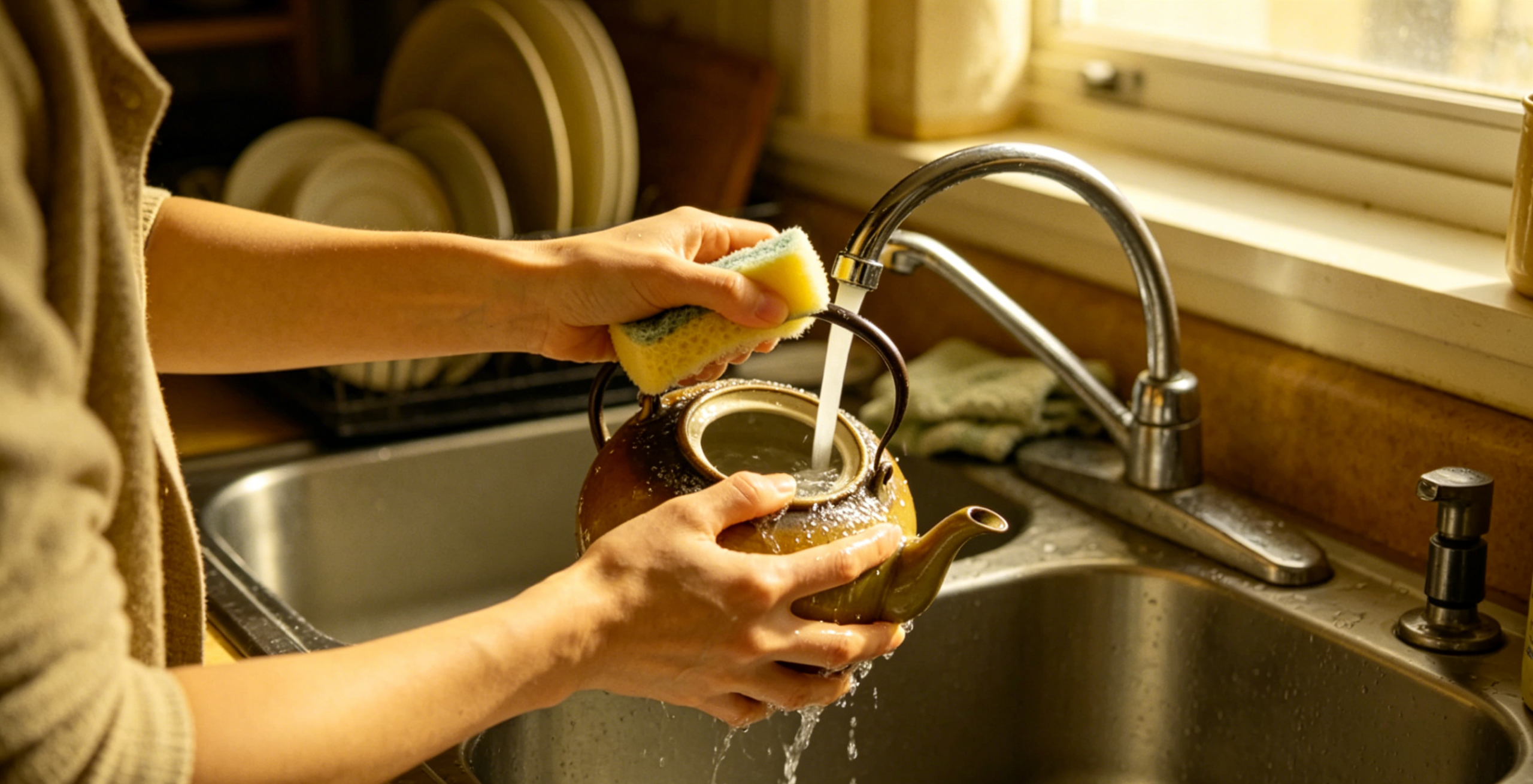
You pour a fresh cup of morning tea, take a sip, and… what is that chalky, metallic aftertaste?
You peer inside your kettle and find a stubborn, white, crusty layer staring back at you. Don’t panic, and definitely don’t throw it out. That gunk is just mineral deposits (scale) from hard water. It’s not toxic, but it ruins your brew’s flavor and makes your kettle work twice as hard to boil water.
Cleaning a tea kettle isn’t a one-size-fits-all job. Scrub a copper kettle with the wrong brush, or put the wrong chemical in an electric one, and you’ve got an expensive piece of trash.
Here is your ultimate, fluff-free guide to deep cleaning the inside, polishing the outside, and rescuing your kettle—no matter what it’s made of.
The Universal Inside Clean: The Vinegar vs. Baking Soda Method
For 90% of kettles, the secret to removing scale buildup lies in simple kitchen pantry staples.
Method 1: The Vinegar Soak (Best for Heavy Scale)
Acid breaks down mineral deposits like magic. This is the go-to method for how to clean the inside of a tea kettle.
- Mix: Fill the kettle with a 1:1 solution of white vinegar and water.
- Boil: Bring the mixture to a boil, then turn off the heat.
- Sit: Let it sit for 20 to 30 minutes. If your scale is prehistoric, let it sit overnight.
- Scrub & Rinse: Pour out the liquid. Use a non-scratch sponge to wipe away any loosened flakes.
- The De-smell Step: Boil a full pot of plain water 1–2 times and dump it to ensure your next cup of tea doesn’t taste like salad dressing.
Method 2: The Baking Soda Fizz (Best for Sensitive Materials)
If you hate the smell of vinegar or have a material that dislikes strong acids, use baking soda.
- Add 1 to 2 tablespoons of baking soda to a full kettle of water.
- Bring it to a boil, then let it simmer/sit for 15 minutes.
- Rinse thoroughly and wipe down the inside.
Material-Specific Masterclass: From Electric to Cast Iron
Different materials require different levels of love. Find yours below to avoid accidentally stripping finishes or causing rust.
1. How to Clean an Electric Tea Kettle (and Brand-Specific Tips)
Electric kettles (like a Cuisinart electric tea kettle) have exposed or concealed heating elements. Never submerge an electric kettle in water.
- Inside: Use the vinegar method described above. It is incredibly safe for the heating element.
- Outside: Wipe down the exterior with a damp microfiber cloth and a drop of dish soap. Wipe dry immediately to prevent water spots on the control panel.
2. Stainless Steel & Metal Kettles (The Classics)
Whether you have a modern stainless steel tea kettle or a vintage Revere Ware tea kettle, metal can take a bit more elbow grease.
- For the Outside: Stainless steel easily collects grease splatters from the stove. Make a paste of baking soda and water, apply it to the outside of the tea kettle, and scrub gently in the direction of the metal grain. Rinse and buff with a dry cloth for that mirror shine.
3. How to clean a copper tea kettle
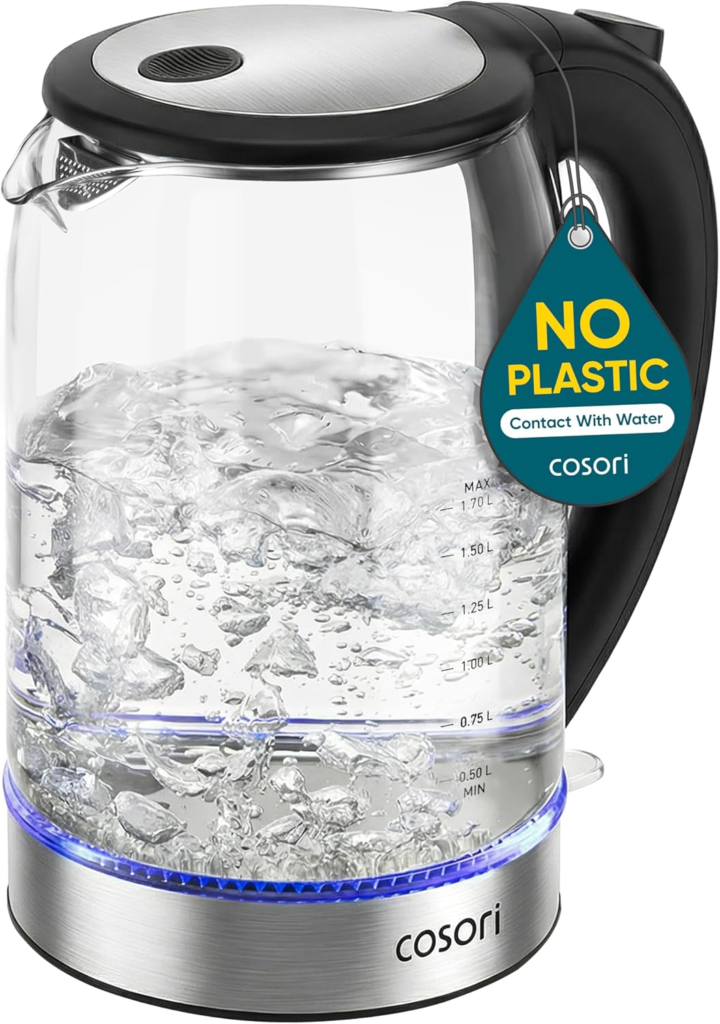
A glass tea kettle looks stunning—until it fogs up with white scale.
- The Fix: Glass responds beautifully to the lemon juice or vinegar method. Because glass is non-porous, the scale slides right off. Avoid using abrasive steel wool, which can scratch and weaken the glass.
4. How to clean a copper tea kettle
Copper tarnishes naturally, but it looks spectacular when bright.
- The Fix: Never use harsh abrasives. To clean a copper tea kettle exterior, cut a lemon in half, dip it in coarse salt, and rub it directly onto the copper. The acid-salt combo cuts through tarnish instantly. Rinse and buff dry.
5. Enamel Kettles (Like Le Creuset)
People love a colorful Le Creuset tea kettle, but the enamel coating can chip if mistreated.
- The Fix: Do not use harsh scrubbers. Stick to the baking soda method for the inside. For exterior stains or scorch marks, use a specialized enamel cleaner or a paste of baking soda left to sit on the stain before wiping gently.

6. How to clean a cast iron tea kettle (Tetsubin)
A cast iron tea kettle requires completely different rules. Never use soap, and never use vinegar, as acid eats away at iron.
- Everyday Clean: Just rinse with warm water and dry completely with a cloth. Leave the lid off so it air-dries 100%.
- How to Clean a Rusty Cast Iron Tea Kettle: If rust forms, don’t panic. Gently scrub the rust spots with a soft tea-kettle brush or a cloth dipped in used tea leaves (the tannins in tea naturally counteract rust). Rinse, dry thoroughly, and boil a batch of cheap tea leaves in it to seal the iron.
Troubleshooting Worst-Case Scenarios
How to Clean a Burnt Tea Kettle
We’ve all done it: walked away from a whistling tea kettle, forgot about it, and boiled it dry until the bottom turned black.
The Rescue Mission: Coat the burnt bottom (inside or out) heavily with baking soda. Pour a small amount of warm water or hydrogen peroxide over it to make a thick sludge. Let it sit for an hour. Take a scrub sponge and work in circular motions. The burnt layers should flake right off.
How to clean a new tea kettle
Don’t just rinse it out and make tea. New kettles often have residual manufacturing oils or polishing dust.
- The Fix: Before your first real brew, fill the kettle with water, add a tablespoon of baking soda, boil it, and dump it. Run one more cycle of plain boiling water, dump it again, and you are safe to brew.
Cheat Sheet: Quick Reference Guide
| Kettle Type | Best Internal Cleaner | Best External Cleaner | Avoid At All Costs |
| Electric / Cuisinart | White Vinegar | Damp Microfiber Cloth | Submerging in water |
| Stainless Steel / Revere Ware | Vinegar or Baking Soda | Baking Soda Paste | Steel wool (scratches) |
| Glass | Lemon Juice or Vinegar | Dish Soap & Sponge | Dropping it while slippery! |
| Copper | Vinegar (Inside only) | Lemon + Coarse Salt | Harsh chemical bleaches |
| Le Creuset (Enamel) | Baking Soda Soak | Baking Soda Paste | Abrasive scouring pads |
| Cast Iron | Warm Water Only | Wipe with dry cloth | Soap, Vinegar, Dishwasher |
How often to clean tea kettle
It depends on your water setup:
- Hard Water (High mineral content): Every 2 to 3 weeks to prevent thick scale from forming.
- Soft Water / Filtered Water: Every 2 to 3 months is usually plenty.
- The Golden Rule: If you see white flakes floating in your water, or if your kettle takes noticeably longer to boil, it’s time for a clean.
Pro-Tip to Save Time: Don’t leave water sitting in your kettle overnight. Pour out any leftover water when you’re done brewing. Minerals only deposit when water sits or evaporates inside the vessel!