

A sore throat can make even simple things—talking, swallowing, or sleeping—feel uncomfortable. Whether your throat feels dry, scratchy, swollen, or burning, warm herbal tea is one of the easiest natural remedies people turn to for relief.
Most articles about the best tea for sore throat usually mention classics like chamomile tea, ginger tea, or licorice root tea. Those are helpful, but there are also lesser-known traditional teas that deserve attention—especially Huajuhong and Mei Cha.
These teas have been used in parts of China for generations to soothe throat discomfort, reduce irritation, and support the respiratory system naturally.
Why Tea Helps a Sore Throat
Warm tea helps soothe throat irritation in several ways:
- Heat increases comfort and moisture
- Steam may help loosen mucusSteam
- Herbal compounds can reduce irritation
- Some teas contain antioxidants and anti-inflammatory compounds
- Honey added to tea may coat the throat temporarily
For people with mild throat discomfort from dry air, speaking too much, seasonal irritation, colds, or pollution, tea can be a simple daily support.
What tea is best for sore throat
Most lists will tell you to drink Ginger, Chamomile, or Licorice Root. They aren’t wrong—those are the reliable “old guard” for a reason. But if you’ve tried the basics and your throat still feels like it’s hosting a cactus party, it’s time to introduce you to two “secret weapons” .
The choice of most people
Before we get to the heavy hitters, let’s acknowledge why the standard trio works.
- Ginger Tea: Great for “moving” the pain. Its gingerols are potent anti-inflammatories that help reduce the swelling in your throat tissues.
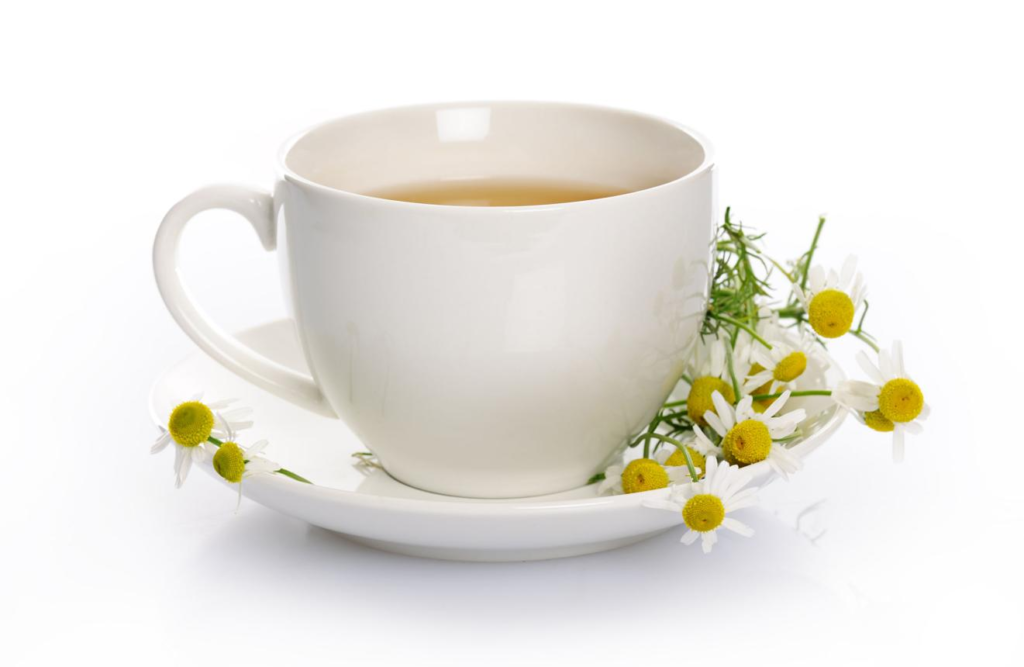
- Chamomile: The “soother.” It doesn’t just calm your nerves; it helps relax the throat muscles (antispasmodic), which is a godsend if your sore throat comes with a dry, tickling cough.
- Licorice Root: The “coater.” It contains mucilage that creates a temporary protective film over your mucus membranes, physically shielding your throat from irritation.
Here you’ll find more options and information:Traditional Medicinals Throat Coat Tea
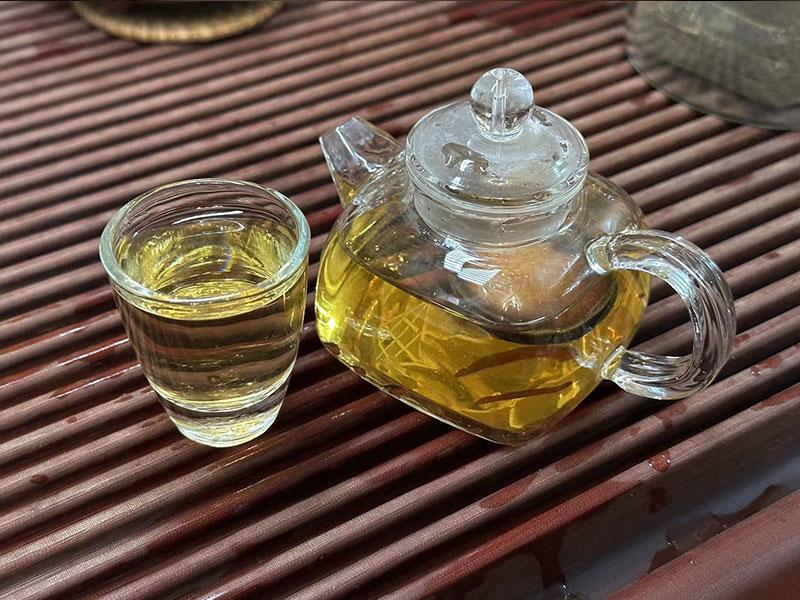
化橘红 Huajuhong Tea (Pummelo Peel Huajuhong)
Huajuhong is a traditional Chinese herbal tea ingredient made from a special type of pummelo peel. It has been used for generations in southern China, especially for throat discomfort, coughing, and excess mucus. Unlike ordinary citrus tea, huajuhong is valued for its concentrated aromatic compounds and naturally warming properties.
If your sore throat is accompanied by heavy phlegm or that annoying “something is stuck” feeling, Huajuhong (aged pummelo peel) is arguably the most effective option you’ve never heard of.
Why it works (The Principle)
Unlike regular orange peel, Huajuhong comes from a specific variety of pummelo. It is rich in naringin, a flavonoid that has been studied for its ability to suppress airway inflammation and significantly reduce phlegm production. It doesn’t just mask the pain; it helps clear the “gunk” that is often causing the irritation.
- Best for: People with a “wet” cough, chronic throat congestion, or those who feel like they constantly need to clear their throat.
- How to Drink: Take 1–3 grams of the sliced dried peel. Simmer it in hot water (about 90°C) for 5–10 minutes. The taste is bitter and woody, so feel free to add a little rock sugar or honey once it cools slightly.
- Side Effects: It is “warming” in nature. If you have a very high fever or a completely dry, “burning” throat without any phlegm, use it sparingly as it can be slightly drying.
莓茶 Mei Cha (Vine Tea)
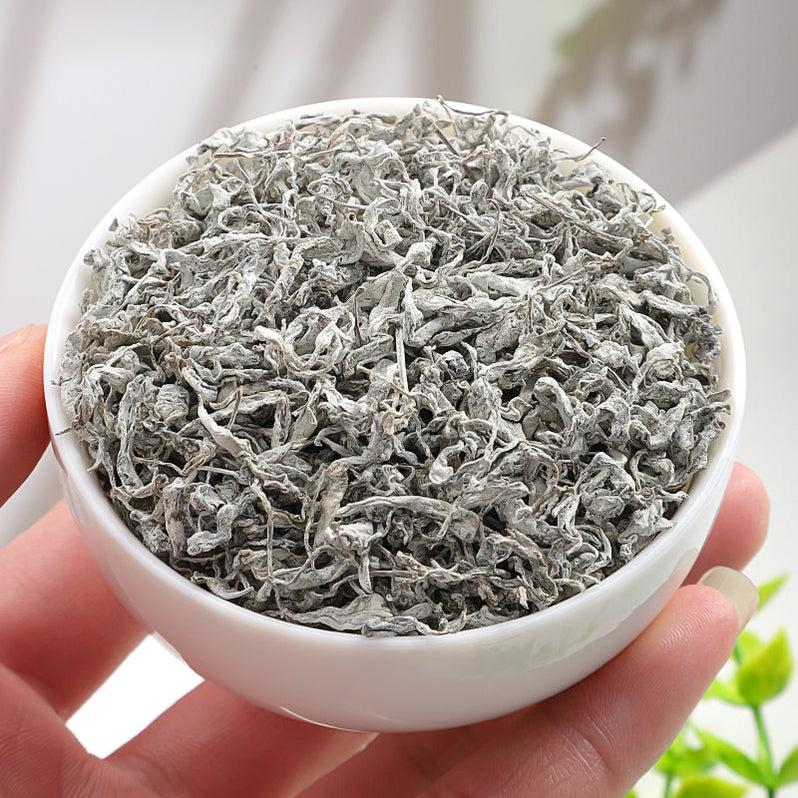
Don’t let the name “Berry Tea” (Mei Cha) fool you—it has absolutely nothing to do with strawberries or raspberries. It is actually a “Vine Tea” (Ampelopsis grossedentata) harvested from high-altitude mountains.
Why it works (The Principle)
Mei Cha is famous for the white “frost” that covers the leaves. This isn’t mold; it’s a massive concentration of Dihydromyricetin (DHM) and other flavonoids. It acts as a natural antibiotic and anti-inflammatory. It’s incredibly effective at “clearing heat”—the TCM way of saying it kills the fire of a sharp, stinging sore throat.
- Best for: “Fire” throats—the ones that feel hot, red, and swollen. It’s also a favorite for teachers and singers who overwork their vocal cords.
- How to Drink: Use about 2–3 grams of leaves. Steep in boiling water. The magic of Mei Cha: The first sip is bitter, but it leaves a lingering, cooling sweetness (huigan) in the back of your throat that lasts for an hour.
- Side Effects: It is “cool” in nature. If you have a very sensitive stomach or are prone to “cold” digestion (frequent bloating/chills), don’t drink it on an empty stomach.
Which Tea Is Best for Your Sore Throat?
| Symptom | Best Tea |
|---|---|
| Dry irritated throat | Chamomile Tea |
| Congestion and mucus | Ginger Tea |
| Hoarse voice | Licorice Root Tea |
| Thick mucus and throat clearing | Huajuhong Tea |
| Burning or inflamed throat | Mei Cha |
Tips for Drinking Tea When You Have a Sore Throat
- Drink tea warm, not extremely hot
- Add honey for temporary soothing
- Stay hydrated throughout the day
- Avoid excessive caffeine
- Rest your voice if possible
If symptoms become severe, include high fever, breathing difficulty, or last more than several days, professional medical care may be necessary.
The best tea for sore throat depends on the type of discomfort you have.
Classic herbal teas like chamomile, ginger, and licorice root remain popular because they are accessible and soothing. But traditional teas like Huajuhong and Mei Cha offer unique benefits that many people outside China have never tried.
For many people, rotating different herbal teas based on symptoms works better than relying on only one tea.