
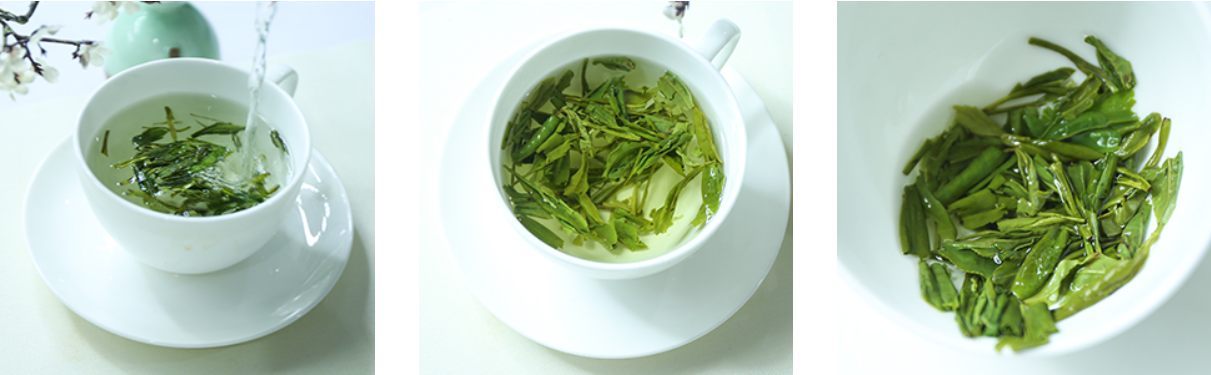
Green tea seems simple at first. Hot water. Tea leaves. Done.
But almost everyone has had this experience at least once:
You buy a beautiful green tea that smells fresh and calming in the package… then somehow the cup tastes bitter, grassy, flat, or strangely harsh.
A lot of people assume they simply “don’t like green tea.
In reality, the problem is often brewing.
Unlike coffee or black tea, green tea is surprisingly sensitive. Water temperature, steeping time, tea style, and even the type of green tea all change the flavor dramatically.
The Best Water Temperature for Green Tea
Why Green Tea Becomes Bitter So Easily? Green tea is more delicate than darker teas.
Boiling water often extracts too much bitterness too quickly, especially in lighter teas with tender young leaves.
That’s why people commonly describe badly brewed green tea as:
- grassy
- sharp
- overly earthy
- dry
- bitter
The goal of brewing green tea properly is usually balance:
You want freshness, aroma, sweetness, and softness — without overwhelming bitterness.
One of the biggest mistakes is pouring boiling water directly onto green tea leaves.
Before we dive into specific types, remember these two non-negotiables:
- Never Use Boiling Water: Boiling water (100℃) burns the delicate leaves, releasing bitter tannins. Aim for 75℃ to 85℃.
- Watch the Clock: Most green teas only need 1–3 minutes. Anything longer, and you’re making “tea soup” that’s hard to swallow.
That usually means letting freshly boiled water cool slightly before brewing.
General guideline:
- delicate Japanese green tea → cooler water (These are very sensitive. Use cooler water (70℃ – 75℃) and a shorter steep time of only 60-90 seconds.)
- roasted green tea → slightly hotter water (Because it’s roasted, it can handle hotter water (90℃). Steep for 2-3 minutes for a cozy, woody brew.)
- stronger Chinese green tea → medium temperature (These are hardier. Use water at 85℃ and steep for 2-3 minutes.)
How to Brew Green Tea?Various types
And one thing many beginners don’t realize is this. There isn’t just one way to brew green tea.
Chinese green tea, Japanese green tea, matcha, roasted green tea, jasmine green tea, and cold brew green tea all behave differently.
Once you understand that, green tea starts tasting completely different.
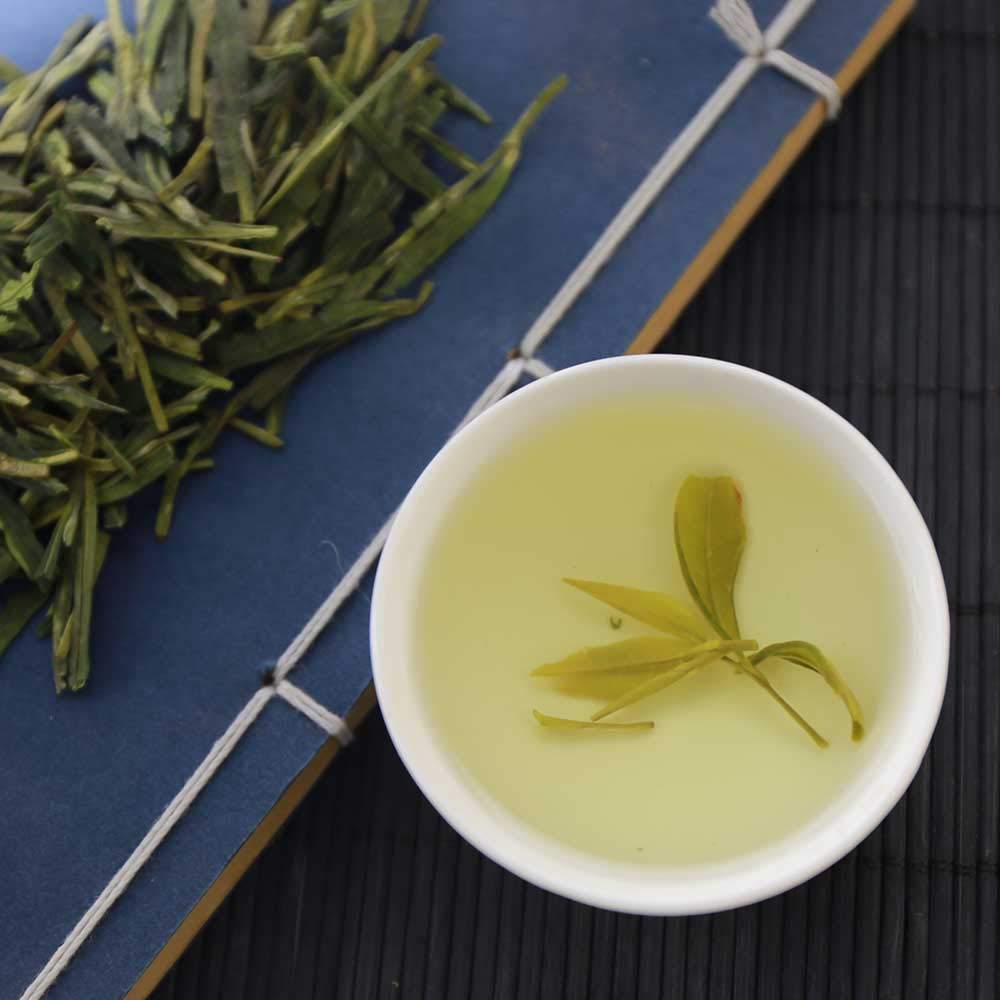
How to Brew Loose Leaf Green Tea
Loose leaf offers the highest quality because the leaves have room to unfurl and release their full flavor profile.
Strain: Remove the leaves immediately. High-quality loose leaf can often be steeped 2-3 times!
Measure: Use 1 teaspoon (about 2-3 grams) of leaves per 8 oz of water.
Heat Water: Bring water to a simmer, then let it sit for 2 minutes to cool to roughly 80℃.
Steep: Pour water over the leaves in a strainer or teapot. Steep for 1-3 minutes. Long steep times often create bitterness.
Strain: Remove the leaves immediately. Many Chinese green teas can be brewed multiple times. The flavor often changes from fresh and grassy to smoother and sweeter over several infusions.
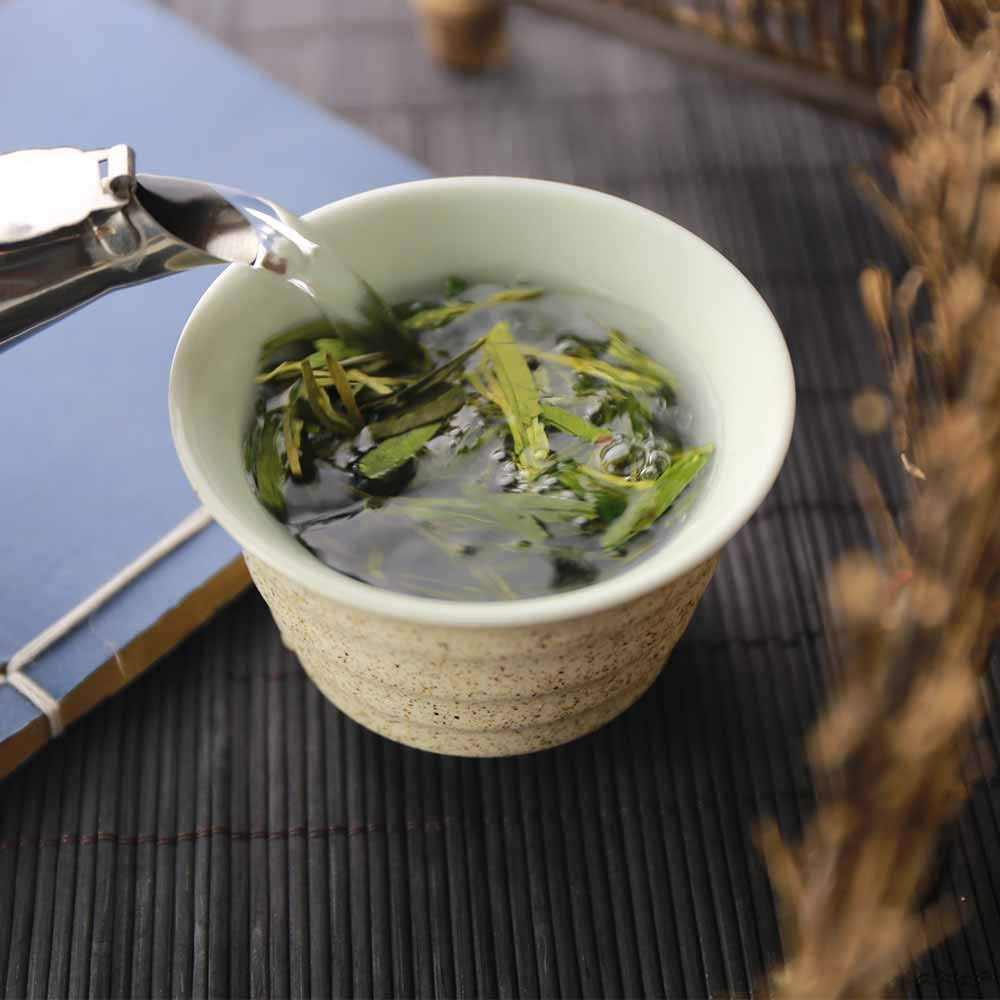
How to Brew Matcha Green Tea
Matcha is completely different from loose leaf tea. Instead of steeping leaves, you drink the powdered tea itself. That’s why matcha feels thicker, richer, and more intense.
Sift: Sift 1-2 bamboo scoops (chashaku) of matcha into a bowl to remove clumps.
Hydrate: Add 2 oz of hot water (80℃).
Whisk: Use a bamboo whisk (chasen) in a “W” motion until a thick froth forms on top.
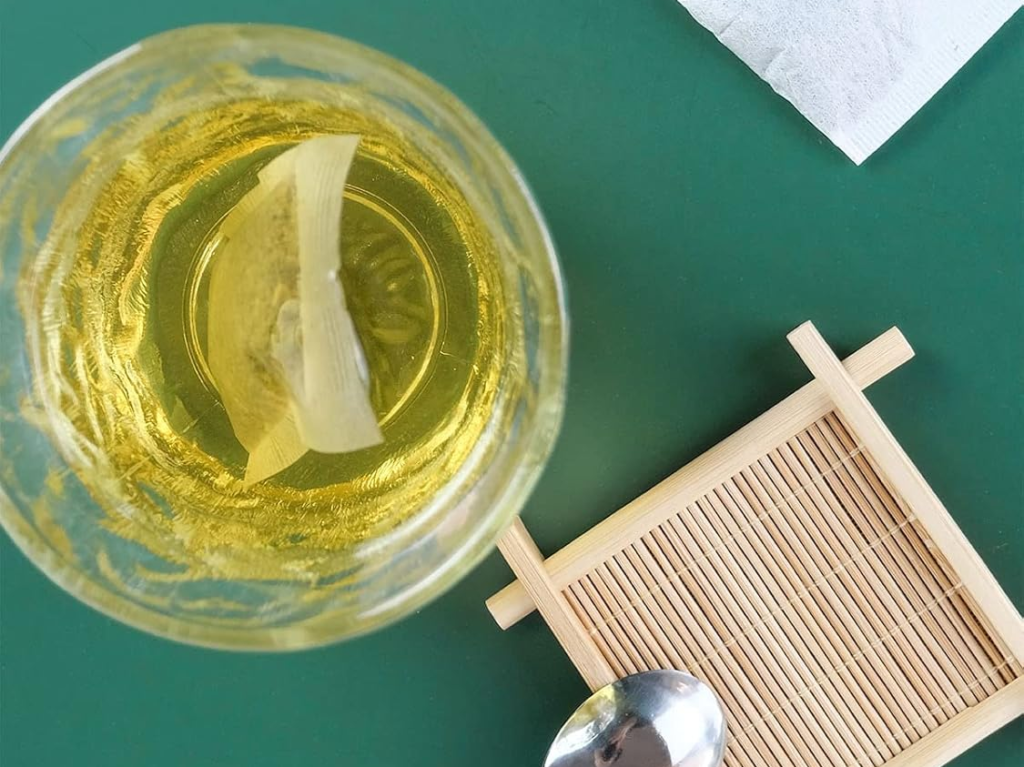
How to brew cold green tea with tea bags
If you find hot green tea too “grassy,” cold brewing is a game changer. It extracts fewer tannins, resulting in a naturally sweet, smooth drink.
Bottle: Place 2-3 green tea bags into a 1-liter glass pitcher or mason jar.
Fill: Add filtered room-temperature or cold water.
Wait: Place in the fridge for 6 to 8 hours (overnight is best).
Serve: Remove bags and serve over ice. It’s the ultimate zero-calorie hydrator.
How to Make Green Tea Shots
Popular in social settings, these are usually sweet and punchy.
- The Base: Brew a very concentrated green tea (double the leaves, half the water) and let it cool.
- Mix: Shake 1 part concentrated tea, 1 part Jameson Irish Whiskey, 1 part Peach Schnapps, and a splash of sour mix with ice.
- Strain: Pour into shot glasses and top with a splash of lemon-lime soda.
How Roasted Green Tea Is Different
Roasted green tea, like Hojicha, behaves differently from fresh grassy green teas.
Because it’s roasted, it tastes: warmer and less grassy
It’s also less sensitive to brewing mistakes.
Many people who dislike strong vegetal green tea actually prefer roasted green tea because it feels smoother and cozier.
How Jasmine Green Tea Should Be Brewed
Jasmine green tea is usually scented with jasmine flowers layered over green tea leaves. The aroma is delicate.
Very hot water can flatten the floral notes quickly.
For jasmine green tea:
- use gentler water temperatures
- steep briefly
- avoid overbrewing
Troubleshooting Common Issues
Metallic Taste? Check your water quality. Filtered water always produces a cleaner cup than tap water.
Too Bitter? Your water was too hot, or you steeped it too long. Try $5^\circ\text{C}$ lower next time.
Too Weak? Don’t steep longer; just use more tea leaves next time.