
Oolong tea is the most diverse, dynamic category in the entire world of tea. Because its processing relies on incredibly precise craft, it doesn’t fit neatly into one flavor profile. This guide will demystify what oolong tea actually is, break down its massive health benefits, map out its distinct varieties, and help you choose the exact style that fits your life.
What is Oolong Tea? (And No, It Is Not Black Tea)
To understand oolong tea, we have to look at how it’s made. All true tea comes from the same plant: Camellia sinensis. What separates them is oxidation—the chemical reaction that happens when tea leaves are exposed to oxygen after harvesting.
- Green tea is unoxidized; the leaves are heated quickly to preserve their green, grassy nature.
- Black tea is fully oxidized; the leaves are completely crushed and darkened, resulting in robust, malty flavors.
- Oolong tea is partially oxidized (anywhere from 8% to 85%).
Think of oolong as the artisan spectrum between green and black tea. Because tea masters can halt oxidation at any point, oolong possesses the refreshing lightness of a green tea alongside the rich, satisfying complexity of a black tea.
[Green Tea: 0% Oxidation] ------> [ OOLONG TEA: 8% - 85% Oxidation ] ------> [Black Tea: 100% Oxidation]
                                  (The Master Artisan Spectrum)
Does Oolong Tea Have Caffeine?
Yes, oolong tea contains caffeine, but it behaves differently than the caffeine in coffee.
On average, an 8-ounce cup of oolong tea contains 30 to 50 milligrams of caffeine. For comparison, a standard cup of coffee has about 90 to 100 milligrams, while green tea sits around 20 to 35 milligrams.
| Beverage Type (8 oz) | Average Caffeine Content | Energy Experience |
| Coffee | 90 – 100 mg | Sharp spike, potential jitters, sudden crash |
| Black Tea | 40 – 70 mg | Steady, warming energy |
| Oolong Tea | 30 – 50 mg | Smooth, prolonged focus without the crash |
| Green Tea | 20 – 35 mg | Mild, subtle lift |
The “Calm Focus” Secret: L-Theanine
Oolong tea is naturally rich in L-theanine, an amino acid that promotes relaxation and alpha brain wave activity. When L-theanine combines with caffeine, it slows down the absorption rate. Instead of a sudden jolt and a subsequent afternoon crash, oolong delivers a sustained, clean wave of mental clarity.
Pregnancy & Side Effects Note:
Because of its caffeine content, those who are pregnant or sensitive to stimulants should monitor their intake. Staying under 200mg of caffeine per day is generally recommended, which equates to about 3 to 4 cups of oolong. Drinking it on an empty stomach can occasionally cause mild nausea or “tea drunkenness” (a lightheaded, jittery feeling) due to its high antioxidant profile—always enjoy it alongside a snack or after a meal.
What is Oolong Tea Good For? oolong tea benefits
Beyond its taste, oolong is highly celebrated for its holistic wellness advantages. Because of its unique oxidation process, it retains a distinct combination of antioxidants found in both green and black teas (specifically catechins and theaflavins).
1. Weight Loss and Metabolism Support
Drinking oolong tea for weight loss is one of its most popular uses. Studies suggest that the polyphenols in oolong tea help activate enzymes that break down dietary fat. It also boosts your metabolic rate for hours after drinking, helping your body burn calories more efficiently even at rest.
2. High Concentration of Antioxidants
Oolong is packed with antioxidants that combat oxidative stress and free radicals in the body. This supports cellular health, reduces inflammation, and contributes to healthier, clearer skin.
3. Blood Sugar and Heart Health
Regular consumption of loose leaf oolong tea has been linked to improved cholesterol levels and better blood sugar regulation. The polyphenols help block enzymes that break down starches into sugar, preventing sharp spikes after meals.
4. Stress Relief (GABA Oolong)
If you encounter GABA oolong tea, you are looking at a specialized variety processed in an oxygen-free, nitrogen-rich environment. This naturally increases the tea’s GABA (gamma-aminobutyric acid) content, a neurotransmitter that actively calms the nervous system, lowers anxiety, and improves sleep quality.
What does oolong tea taste like: Finding Your Taste Match
Because oolong varies so wildly, buying a random bag can be a gamble. Let’s break down the world’s top-rated oolong teas by their flavor profiles so you can find exactly what you like.
1. Light & Floral (The “Green” Oolongs)
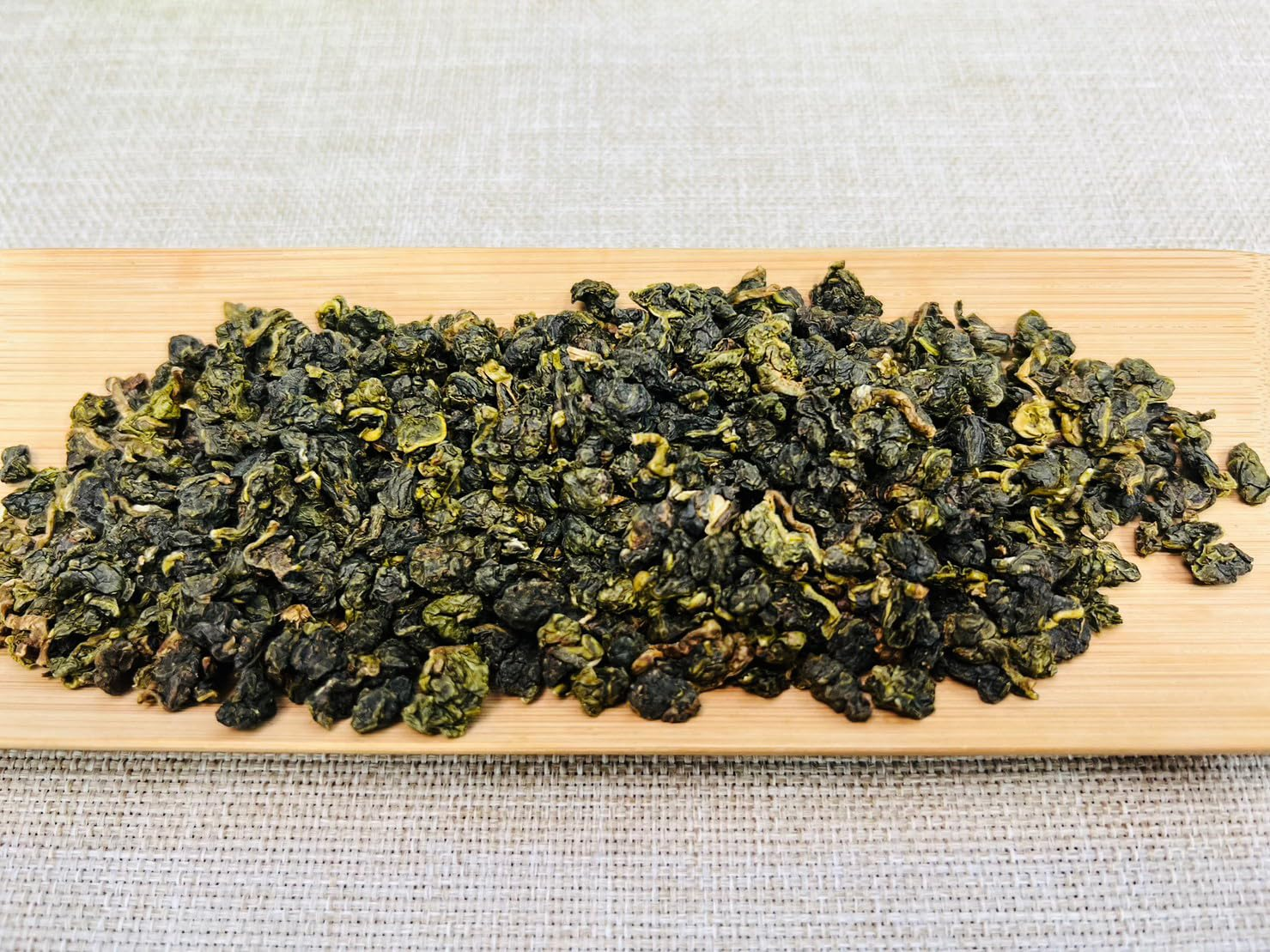
These teas are lightly oxidized (10-30%) and usually rolled into tight jade-green pearls. They smell like fresh flowers and taste incredibly clean, sweet, and buttery.
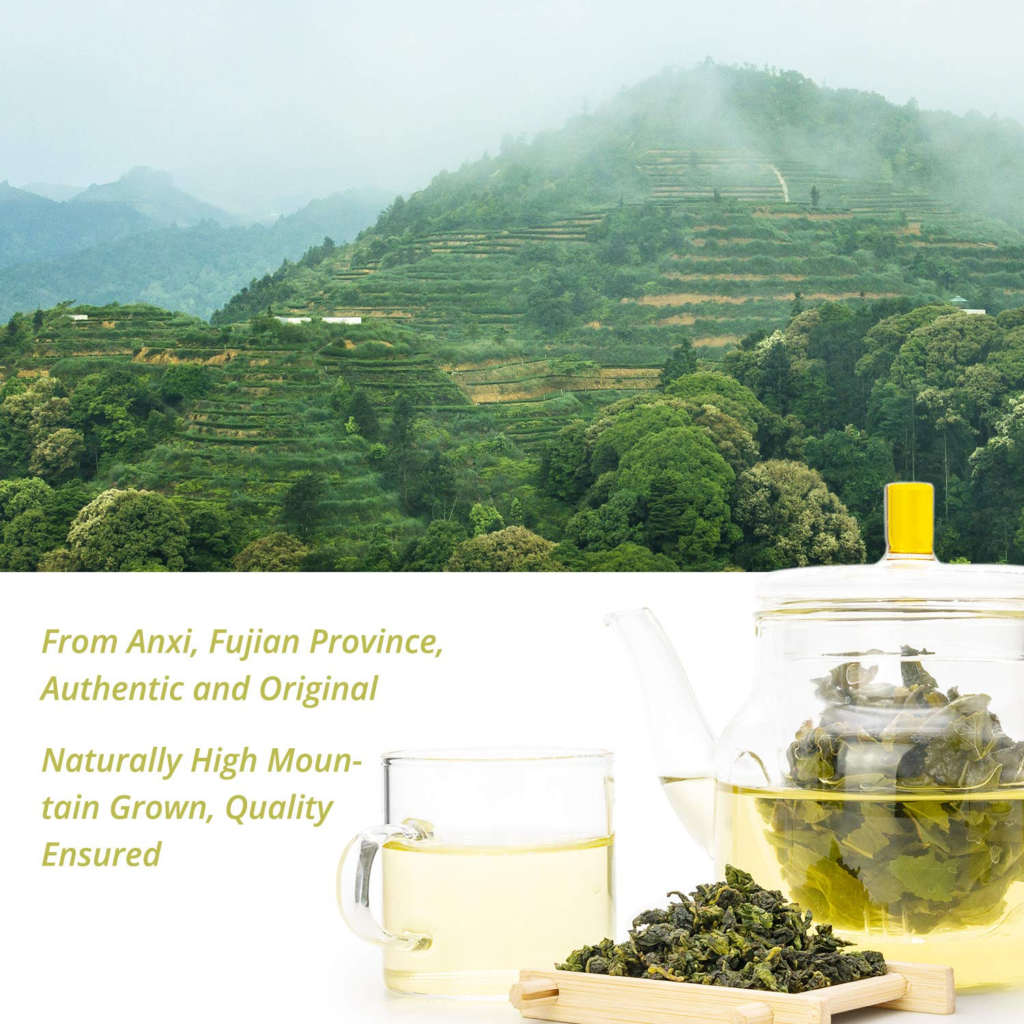
- Tieguanyin (Iron Goddess of Mercy): China’s legendary oolong. It features an intense floral aroma reminiscent of orchids and a smooth, sweet, refreshing finish.
- Alishan & High Mountain Oolong: Grown at extreme altitudes in Taiwan’s mist-covered peaks. The cool climate slows plant growth, resulting in a tea that tastes remarkably crisp, creamy, and complex, with notes of sweet alpine air.
- Jin Xuan (Milk Oolong): A specific tea cultivar known for its naturally creamy, milky texture and sweet, buttery aroma—completely free of artificial additives.
2. Deep, Roasted & Earthy (The “Dark” Oolongs)
These teas are highly oxidized (50-80%) and traditionally charcoal-roasted. They are dark, twisted leaves that taste comforting, rich, and deeply complex.
- Da Hong Pao (Big Red Robe / Wuyi Rock Tea): Grown in the rocky cliffs of the Wuyi Mountains in China. It possesses a legendary “rock taste” (Yanyun)—a mineral-rich, smoky flavor with undertones of dark chocolate, roasted nuts, and stone fruit.
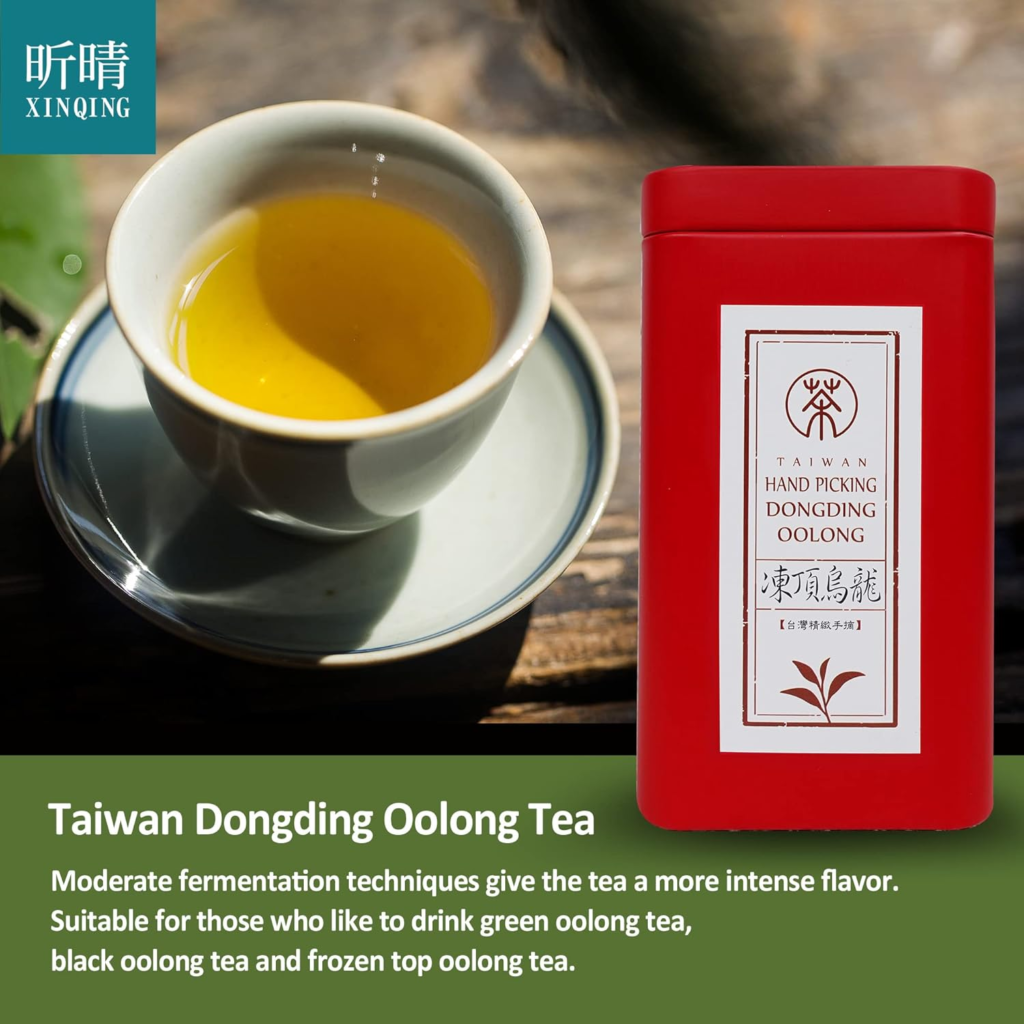
- Dong Ding (Tung Ting): A classic Taiwanese medium-roasted oolong. It strikes a beautiful balance between a warm, nutty aroma and a sweet, lingering aftertaste.
3. Fruity & Honeyed
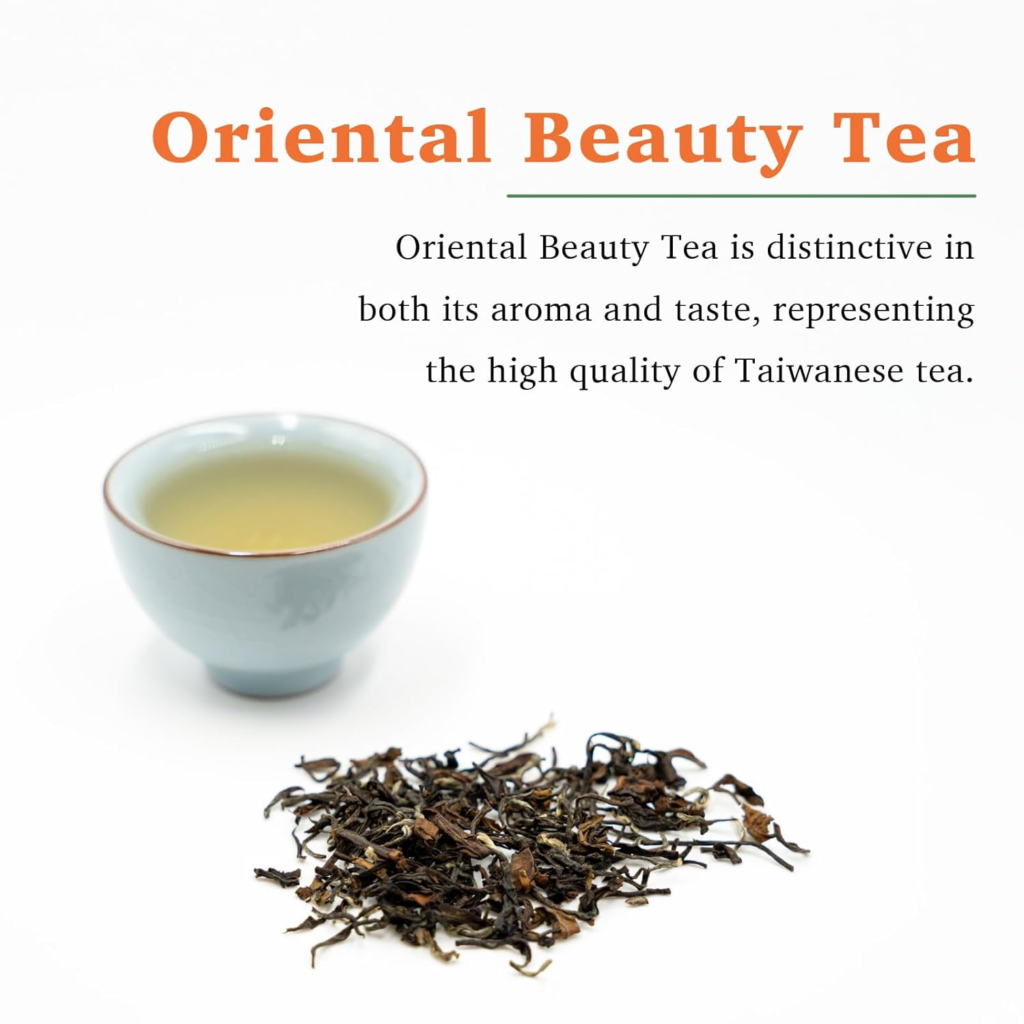
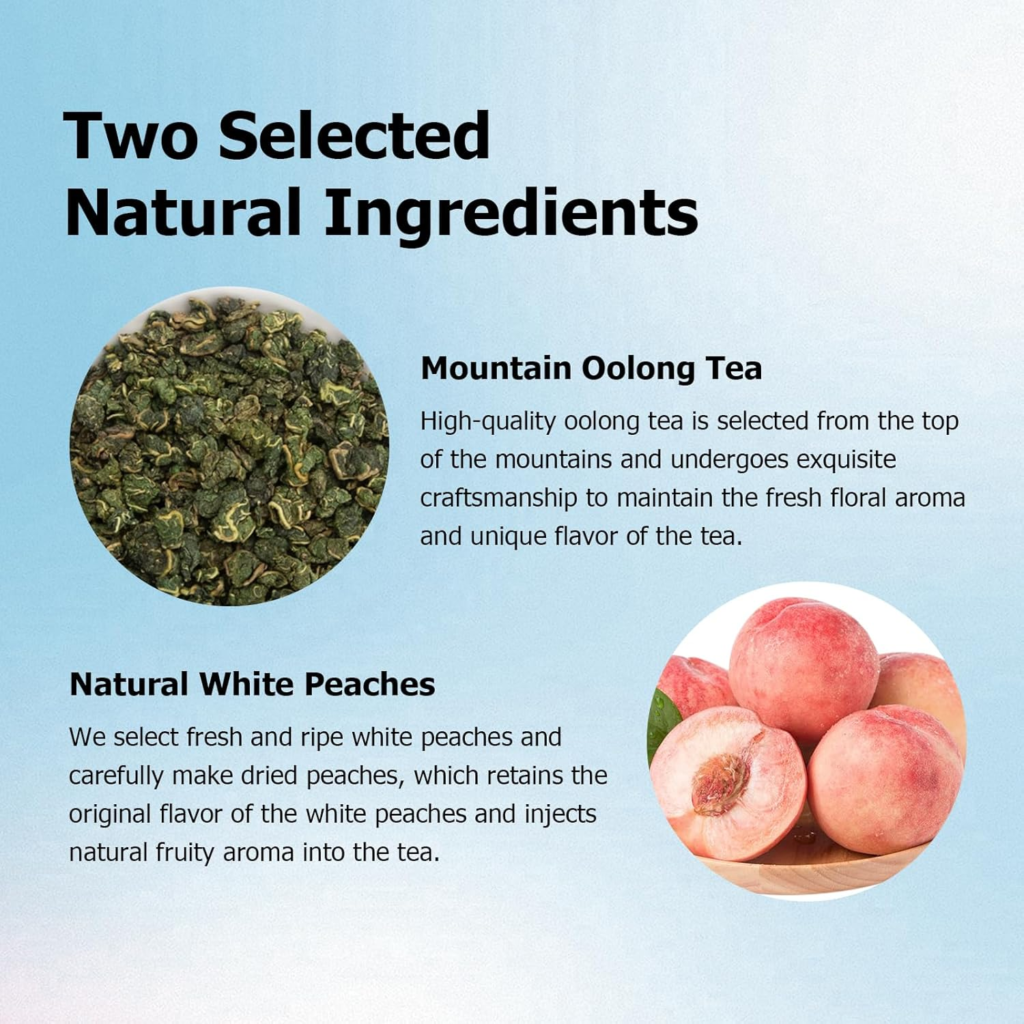
- Oriental Beauty (Dongfang Meiren): A highly unique Taiwanese oolong where tiny insects (green leafhoppers) bite the leaves while still on the bush. The plant’s natural defense mechanism alters its chemistry, producing a tea that tastes genuinely like wild honey and ripe peaches.
- Dan Cong (Phoenix Oolong): Hailing from Guangdong, these teas are harvested from single trees and are famous for mimicking distinct aromas naturally—such as duck shit (actually a sweet, floral profile), ginger, or almond.
4. Flavored & Modern Blends
If you prefer a playful, sweet flavor profile or love making refreshing summer drinks, look for high-quality natural infusions:
- Peach Oolong / Lychee Oolong: Exceptional when served as an iced oolong tea on a hot summer afternoon.
- Osmanthus / Jasmine Oolong: Green oolongs scented naturally with aromatic blossoms.
- Oolong Milk Tea: Using a base of roasted oolong (like Dong Ding) combined with milk and a touch of brown sugar creates a rich, deeply satisfying milk tea that far outclasses standard black milk tea.
How to Prepare Oolong Tea Like a Pro
To get the most out of organic oolong tea, step away from paper tea bags and invest in loose leaf oolong tea. Loose leaves need room to unfurl; those tightly rolled jade pearls will expand to up to five times their original size when steeped.
The Western Method (Easy & Practical)
Perfect for a thermos at the office or a large mug at home.
- Water Temperature: Bring fresh water to 185°F to 200°F (85°C to 93°C). Avoid boiling water for lighter oolongs, as it can scald the delicate leaves.
- Amount: Use 1 to 2 teaspoons of loose leaf tea per 8 oz cup.
- Steeping Time: Let it steep for 3 to 5 minutes.
The Gongfu Method (The Ultimate Flavor Experience)
Oolong tea leaves are incredibly resilient and designed to be steeped multiple times. The traditional Chinese method uses a high leaf-to-water ratio and short steep times.
- Use a small teapot or a Gaiwan (a lidded ceramic bowl).
- Fill it 1/3 full with tea leaves.
- Pour hot water in, and immediately pour it out after 15 to 20 seconds.
- Repeat this process, adding 5 seconds to each subsequent brew. You can easily enjoy 6 to 10 infusions from a single serving of high-quality tea, watching the flavor morph from crisp and sharp to sweet and mellow.
How to Make Perfect Iced Oolong Tea
When properly prepared, iced oolong is incredibly refreshing, naturally sweet, floral, and deeply complex. It clean-clears the palate and delivers a smooth, vibrant wave of energy. However, if you simply dump ice cubes into a standard cup of hot tea, you end up with a watery, bitter disappointment.
To get that vibrant, clear, café-style brew, you need to use one of two specific techniques: The Flash-Chill Method or The Cold-Brew Method. Here is exactly how to execute both.
1. The Cold-Brew Method (Best for a Smooth, Sweet Flavor)
Cold brewing takes time, but it is virtually impossible to mess up. Because cold water extracts flavors much more slowly than hot water, it leaves behind the bitter tannins and coaxes out the naturally sweet, creamy, and floral notes of the oolong leaves.
- What you need: 10 grams (about 2 tablespoons) of high-quality loose leaf oolong tea (like Alishan or Tieguanyin) and 4 cups (32 oz) of filtered, room-temperature water.
- Step 1: Place your loose oolong leaves directly into a glass pitcher or mason jar.
- Step 2: Pour in the room-temperature water. Give it a gentle stir to ensure all the leaves are wet.
- Step 3: Seal the container and place it in your refrigerator for 8 to 12 hours (overnight is perfect).
- Step 4: Strain the liquid into a clean glass over fresh ice.
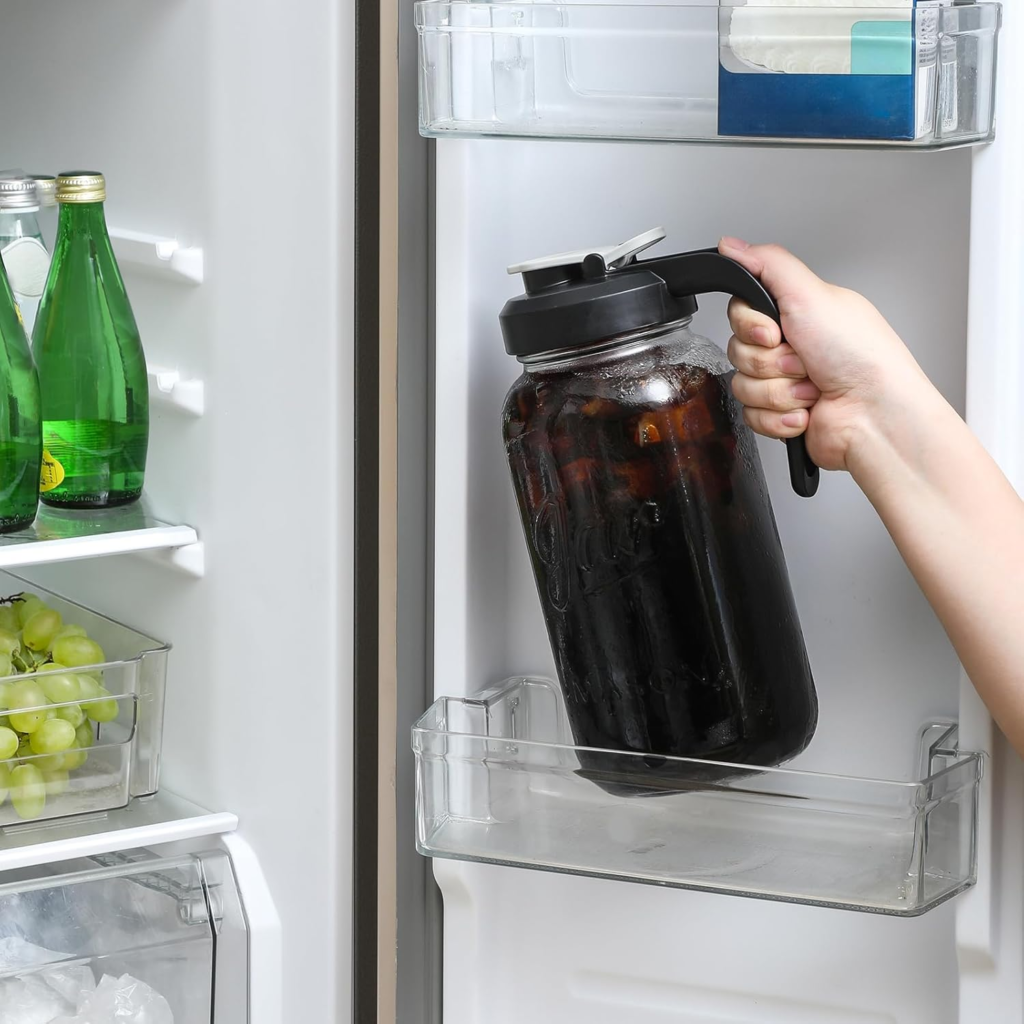
Pro Tip: If you want a modern twist, add a few slices of fresh peach or a splash of white grape juice to the pitcher before refrigerating to create a stunning Peach Iced Oolong. Of course, you can also just buy peach oolong tea.
2. The Flash-Chill Method (Best for Big, Bold Aromas)
If you don’t want to wait 12 hours, the flash-chill method extracts the intense aroma of the tea using hot water, but locks it in instantly by brewing directly over a heavy amount of ice.
- What you need: 6 grams (1.5 tablespoons) of loose leaf oolong, 2 cups of hot water, and 2 cups of ice cubes.
- Step 1: Bring your water to 195°F (90°C).
- Step 2: Steep the oolong leaves in the hot water for exactly 3 minutes. Because we are diluting this with ice later, this concentrate needs to be strong.
- Step 3: Fill a large pitcher to the top with fresh ice cubes.
- Step 4: Pour the hot, concentrated oolong directly over the ice. The immediate temperature drop locks in the volatile aromatic oils, preventing the tea from turning bitter or oxidizing further. Serve immediately.
How long to steep oolong tea?
The optimal steeping time depends entirely on your brewing style and the shape of the leaves:
| Brewing Style | Leaf Type | Water Temp | Steeping Time |
| Western (Mug/Pot) | Rolled Pearls (Tieguanyin) | 195°F (90°C) | 3 to 5 minutes (allows leaves to unfurl) |
| Western (Mug/Pot) | Strip-style leaves (Da Hong Pao) | 200°F (93°C) | 2 to 3 minutes |
| Gongfu Cha (Traditional) | Any Loose Leaf | 200°F (93°C) | 15 to 30 seconds (for multiple infusions) |
| Cold Brew | Any Loose Leaf | Refrigerator Temp | 8 to 12 hours |
FAQ
What type of tea is oolong?
Oolong tea is a partially oxidized tea that occupies the vast space between green tea (unoxidized) and black tea (fully oxidized). Depending on the craftsmanship of the tea master, an oolong can be lightly oxidized (around 15%), giving it a pale green color and floral flavor, or deeply oxidized and roasted (up to 80%), yielding a dark amber liquor with rich notes of cacao, wood, and roasted nuts.
What is oolong tea made of?
Oolong tea is made entirely from the leaves, buds, and stems of the Camellia sinensis plant—the exact same plant species used to make green, black, and white teas. What makes it “oolong” is not the plant variety, but the precise, labor-intensive processing method involving sun-withering, bruising the leaf edges to control oxidation, rolling, and often charcoal roasting.
What are the main uses of oolong tea?
While primarily enjoyed as a premium premium beverage for relaxation and mental clarity, oolong tea serves several distinct purposes:
- Digestive Aid: Traditionally consumed during or after heavy, oily meals to assist digestion and cleanse the palate.
- Metabolic Booster: Frequently used as a natural addition to weight-management routines due to its high concentration of polyphenols that help activate fat-burning enzymes.
- A Culinary Base: Used as the foundational flavor for popular café drinks like Oolong Milk Tea, boba fruit teas, and even in culinary reductions for smoking meats or flavoring desserts.
Summary: Which Oolong Should You Buy Today?
- If you want something refreshing, sweet, and creamy to replace your morning green tea $\rightarrow$ Go with an Alishan High Mountain or a Jin Xuan Milk Oolong.
- If you want something rich, cozy, and robust to replace your afternoon coffee $\rightarrow$ Try a traditional Da Hong Pao or a medium-roasted Dong Ding.
- If you want a mindful ritual to de-stress after a long day $\rightarrow$ Brew a cup of comforting GABA Oolong or a floral Tieguanyin.