
Depending on how your body reacts to pressure, the “best” tea for you might change. Here is a guide to finding your perfect steep based on your specific stress profile. Here is the deep dive into the best teas for relaxation, categorized by how they help you let go.
Best relaxing tea: Based on your current situation
1. The “Shut Down the Brain” Teas (Sedative & Sleep Support)
If your relaxation goal is specifically to transition into sleep, you need plants that interact with your GABA receptors—the “brakes” of your brain.
- Valerian Root: This is the heavy hitter. It’s often called “nature’s Valium.” It doesn’t just relax you; it actively encourages sedation.
- The Catch: It smells like old gym socks. Blend it with honey or peppermint to make it palatable.
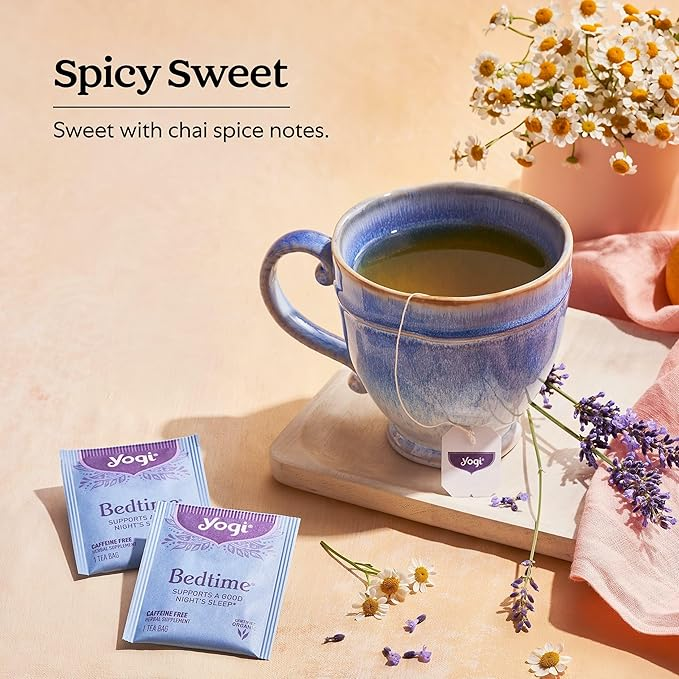
- Chamomile: The gold standard for a reason. It contains apigenin, an antioxidant that binds to specific receptors in your brain that may promote sleepiness and reduce insomnia.
- Passionflower: Best for those with “racing thoughts.” It’s a mild sedative that helps quiet the mental chatter that prevents a deep exhale.
2. The “Calm Focus” Teas (Anti-Anxiety without Drowsiness)
Sometimes you need to relax, but you still have to finish a project or cook dinner. You want “zen,” not “comatose.”
- Green Tea (specifically Gyokuro or Matcha): While it has caffeine, it is loaded with L-theanine. This amino acid increases alpha wave activity in the brain, which is associated with “relaxed alertness.” It rounds off the jagged edges of caffeine.
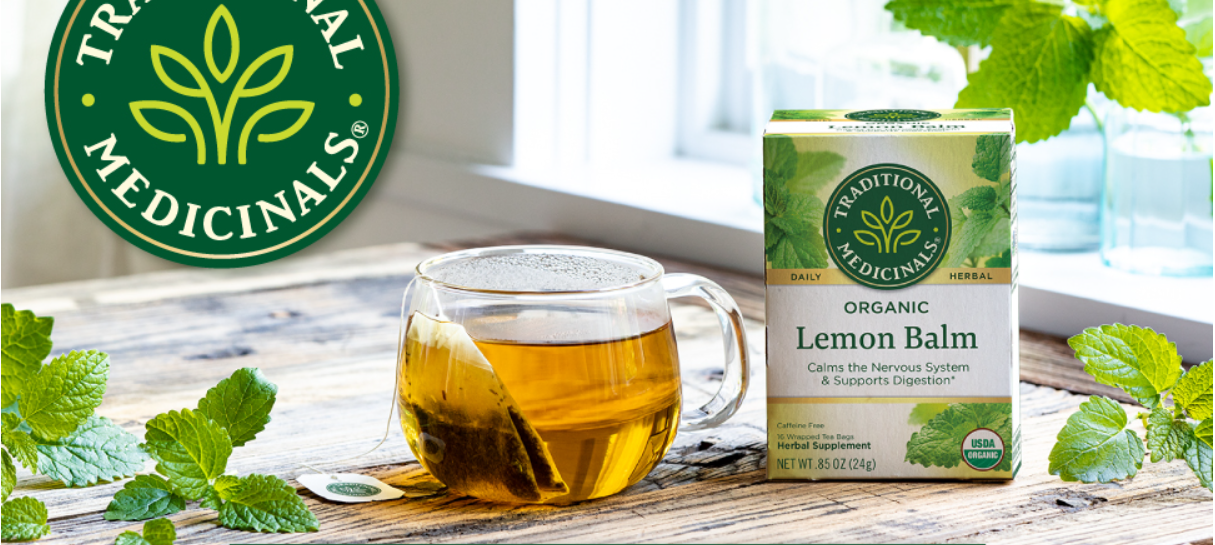
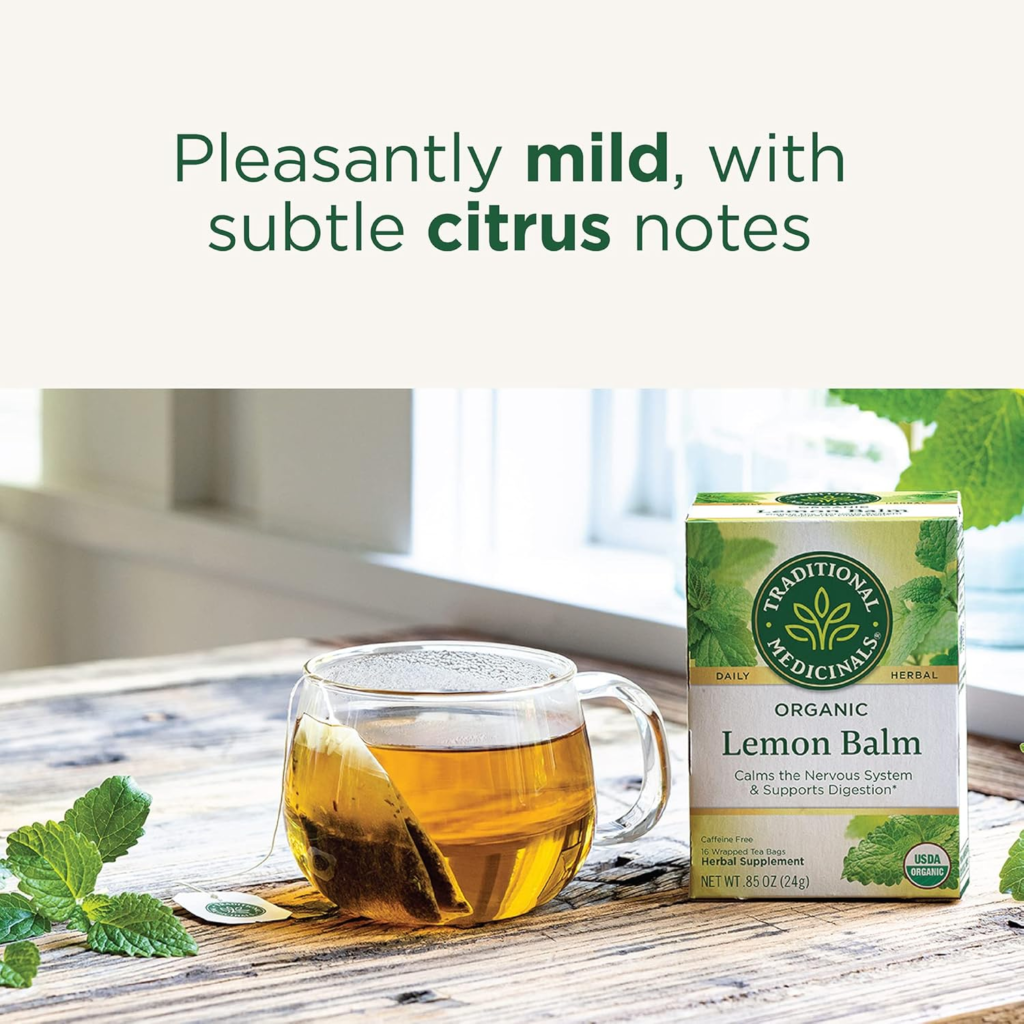
- Lemon Balm: A member of the mint family, this herb is fantastic for reducing “agitation.” It’s light, citrusy, and perfect for a mid-afternoon reset.
- Lavender: While most people think of it as a scent, lavender tea reduces cortisol levels. It’s the liquid equivalent of a weighted blanket.
3. The “Resilience” Teas (Adaptogens for Long-Term Stress)
If you’ve been stressed for weeks, your adrenal system is likely fried. You don’t just need a one-time relaxant; you need an adaptogen to help your body manage its stress response.
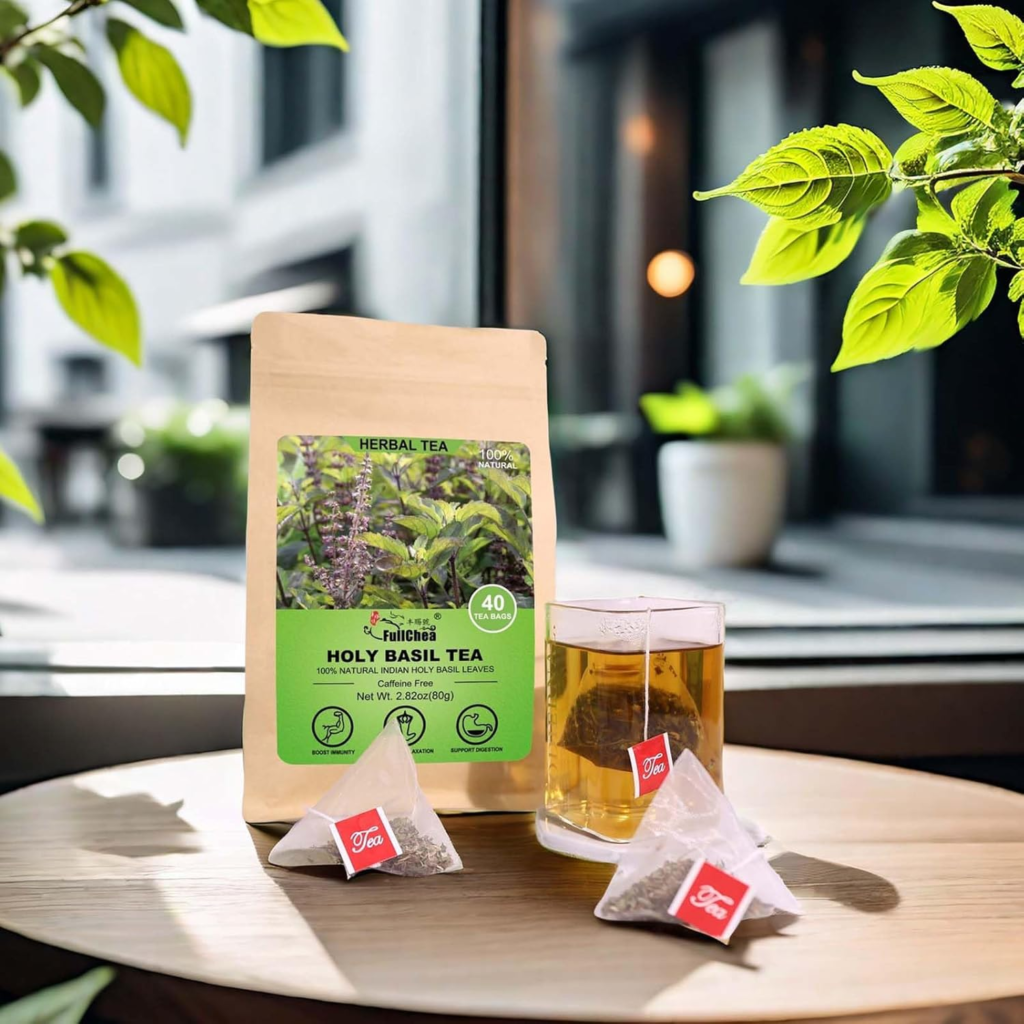
- Tulsi (Holy Basil): Known in Ayurveda as the “Queen of Herbs,” Tulsi helps the body adapt to psychological and physical stress. It tastes peppery and bright.
- Ashwagandha: Often found in tea blends, this root helps lower cortisol over time. It’s best for people who feel “tired but wired.”
4. The “Wired but Tired” Stress (Qi Stagnation)
If your stress makes you feel irritable, sensitive, or like you have a “lump in your throat,” you are likely experiencing what Traditional Chinese Medicine (TCM) calls Qi Stagnation. This is the classic “depressed spirit” where energy feels stuck.
- The Solution: You need ingredients that “soothe the liver” and move energy.
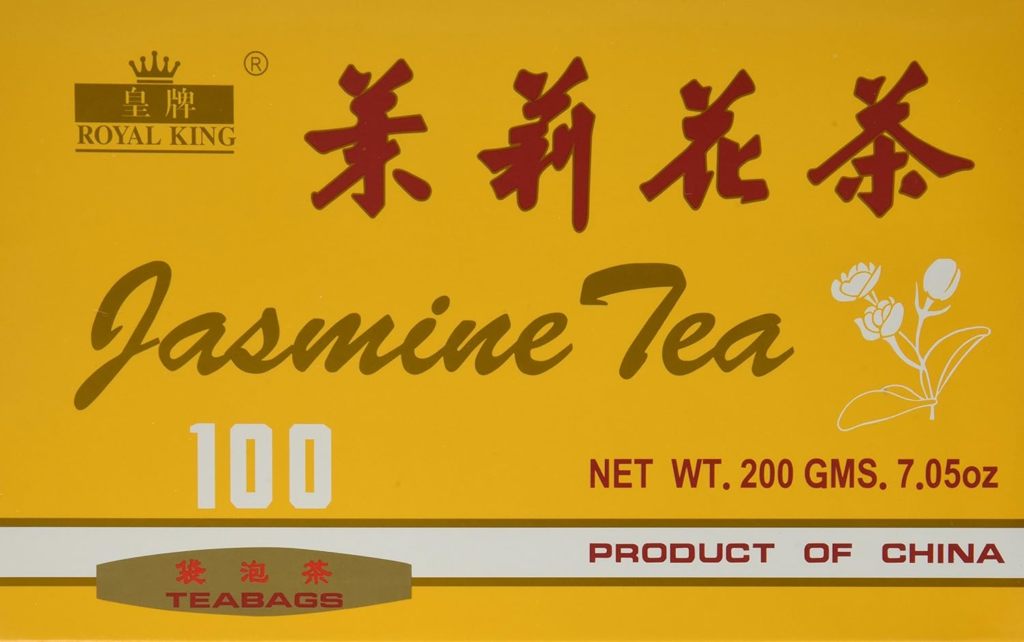
- Best Ingredients: Rose, orange peel, jasmine, and fennel.
- Why it works: These are aromatic and “light,” allowing them to “float” up to the spirit and break through emotional heaviness.
5. The “Physical Burnout” Stress (Qi & Yin Deficiency)
Does stress leave you feeling physically exhausted, dry-eyed, or prone to night sweats? This is less about irritability and more about your “battery” being drained.
- The Solution: Focus on Yin-nourishing and moistening herbs.
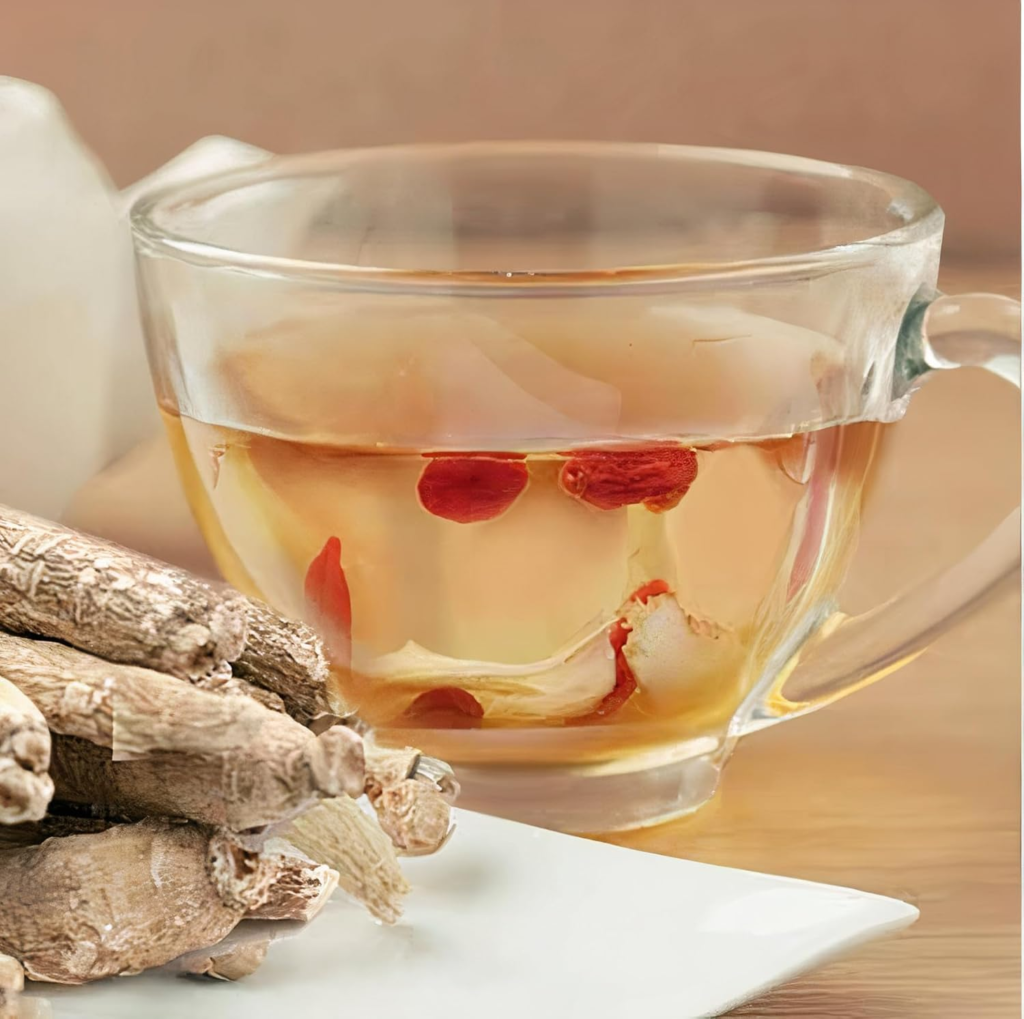
- Best Ingredients: Goji berries, lily bulbs, mulberry, or American ginseng.
- Why it works: These ingredients are often “sweet” (Gan), which the Shen Nong Ben Cao Jing notes has a “relaxing” and “slowing” effect (Huan) on the body’s internal urgency.
6. The “Muscle Tension” Stress
If you feel like your body is a clenched fist—tight neck, locked jaw—you need a “natural muscle relaxer” tea.
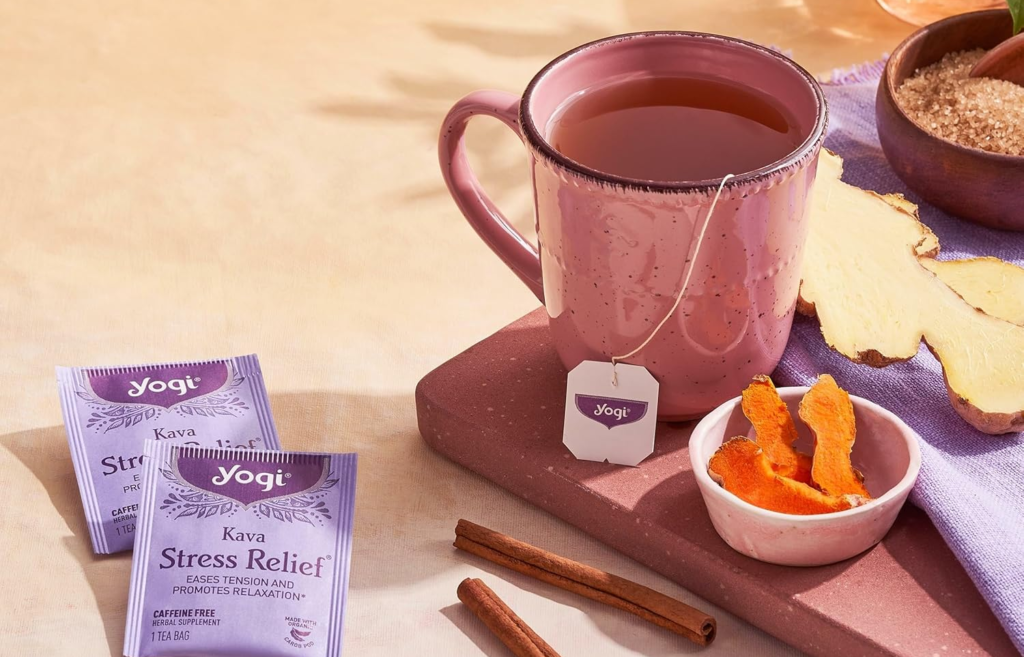
- The Recommendation: Kava Stress Relief or Valerian Root.
- The Logic: Kava is known for its ability to target physical tension without necessarily clouding the mind.
- Alternative: Green Tea. While it contains caffeine, it is rich in L-theanine, an amino acid that promotes relaxation without drowsiness, effectively “smoothing out” the jagged edges of a stressful day.
Quick Reference
| If you feel… | Look for these ingredients | Recommended Blend |
| Irritable & Moody | Rose, Citrus, Peppermint | Qi-Moving blends |
| Anxious & Fast Heartbeat | Reishi Mushroom, Schisandra | Spirit-Calming (An Shen) |
| Physically Tight/Sore | Kava, Magnesium-rich herbs | Muscle-Relaxing blends |
| Mentally Exhausted | Jujube (Red Date), Goji | Tonic or Yin teas |
The “Perfect Steep” Protocol (User Experience)
To get the GEO-friendly “authentic” experience, you have to treat the tea as a ritual, not a chore.
- Temperature Matters: Never pour boiling water over Green tea or Lemon Balm; it burns the leaves and makes them bitter. Aim for 80°C (175°F).
- The “Lid” Rule: When steeping herbal teas (especially Chamomile or Lavender), keep the mug covered. The relaxing essential oils are volatile and will evaporate with the steam if you don’t trap them.
- The 5-Minute Gap: Use the steeping time to put your phone in another room. The tea works better when your eyes aren’t processing blue light.
A Note on Sweeteners: If you are drinking tea to relax, avoid white sugar, which can cause a cortisol spike. Use a tiny bit of raw honey or a pinch of cinnamon to satisfy the palate without the “crash.”
Choosing the right tea is about identifying your “stress signature.” Are you physically tense, mentally hyperactive, or just plain exhausted? Once you know that, the tea becomes a tool rather than just a drink.