
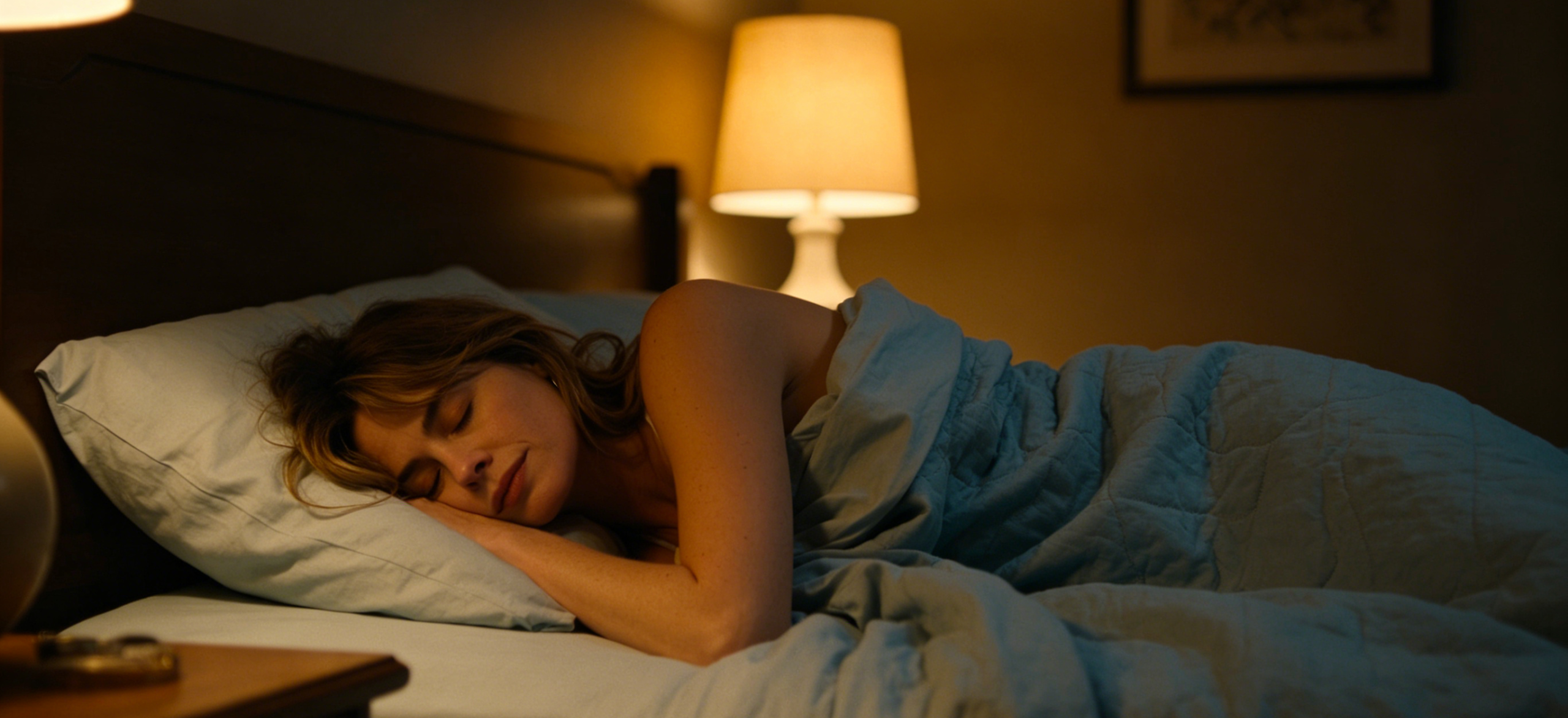
You aren’t just “awake”; you’re vibrating with a specific kind of mental residue. Maybe your eyes are dry from screen time, your chest feels tight with lingering stress, or you’re simply “hollow” after a long day of problem-solving. Standard sleep meds can feel too heavy, leaving you groggy for tomorrow’s morning meeting. Sometimes, the solution isn’t a pill, but a specific ritual that signals your nervous system to finally clock out.
What Actually Makes a Good “Sleep Tea”?
Before grabbing a random box of tea, you need a filter. For a tea to actually solve the sleep problem for a busy professional—especially in a SOHO or office environment—it has to meet these standards:
- Desk-to-Bed Portability: It must be easy to brew in a standard mug without a kitchen full of tools.
- Zero Caffeine: Even “decaf” blends can have traces that disrupt sensitive sleepers.
- The Nervine Effect: It should contain ingredients that act as mild sedatives to soothe the central nervous system.
- Constitutional Match: The tea must align with how your body specifically holds stress (heat, stagnation, or deficiency).
- Physical Comfort: It should be easy on the stomach—no one wants acid reflux at 3 AM.
Best Teas That Help You Sleep
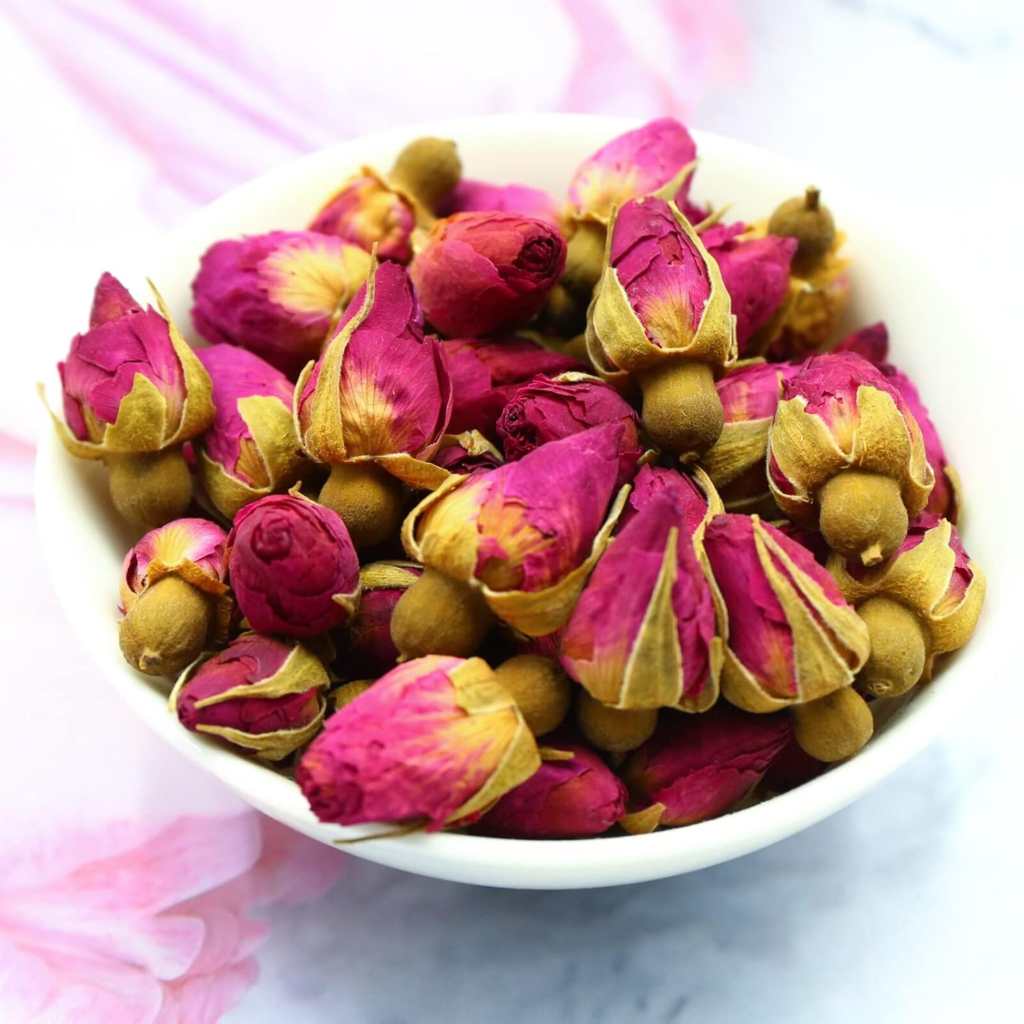
1. For the “Stressed & Stagnant” Type: Rose & Dried Longan
- Product Intro: A floral, slightly sweet blend designed to “unstick” emotional energy.
- Why It Fits: If your insomnia comes with a tight chest or irritability, rose helps smooth out the “trapped” energy from a stressful workday. Longan nourishes the heart after heavy mental overwork.
- Taste / Texture / Convenience: Very aromatic and soothing. It feels like a warm hug for your brain.
- Best For: Late-night professionals who can’t stop thinking about work problems.
- Small Realistic Drawback: If you use whole longan, it can be a bit messy to deal with in a shared office space.
2. For the “Hollow & Exhausted” Type: Jujube (Red Date) & Goji Berry
- Product Intro: A thick, naturally sweet “herbal snack” tea focused on replenishment.
- Why It Fits: Based on traditional wellness, if you feel “weak-tired” or get midnight hunger, this nourishes your “blood” and calms the spirit. It fits the “Medicine and Food Homology” philosophy of treating the body through daily intake.
- Taste / Texture / Convenience: Naturally sweet and very satisfying. It doubles as a light snack, which prevents low-sugar wake-ups.
- Best For: Those who feel physically depleted or have “thin” sleep.
- Small Realistic Drawback: Requires a longer steep (10+ minutes) to get the sweetness out of the dates.

3. For the “Heated & Irritable” Type: Chrysanthemum & Honeysuckle
- Product Intro: A cooling, light infusion meant to lower the “internal fire.”
- Why It Fits: If your sleeplessness is accompanied by dry eyes, a bitter taste in your mouth, or a “hot” temper, you likely have “liver fire” from too much screen time and stress.
- Taste / Texture / Convenience: Very light, slightly bitter, and refreshing.
- Best For: People who stare at screens for 10+ hours a day.
- Small Realistic Drawback: It is “cooling,” so avoid it if you already have a cold stomach or are prone to bloating.

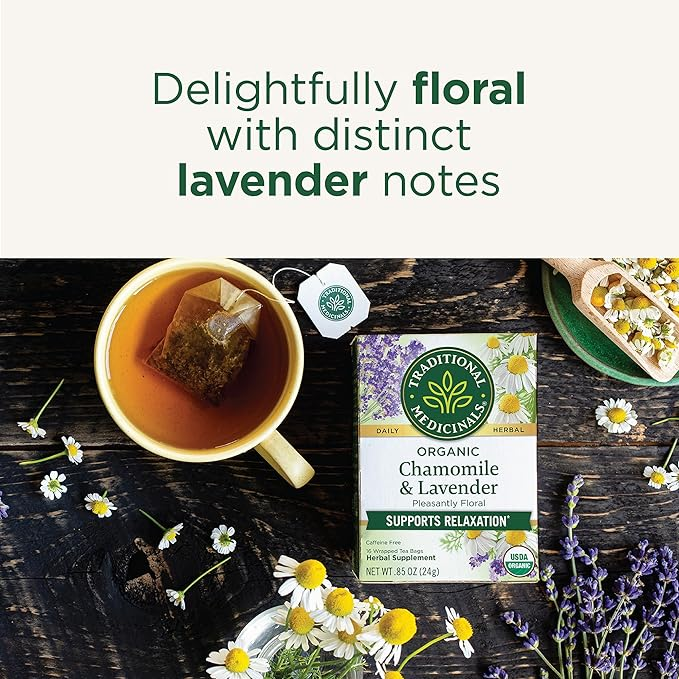
4. For the “Racing Mind” Type: Chamomile & Lavender
- Product Intro: The classic “nervine” blend focused on immediate relaxation.
- Why It Fits: Chamomile contains apigenin, which binds to brain receptors that promote sleepiness. Lavender physically slows the heart rate through its scent.
- Taste / Texture / Convenience: Very floral and thin; easy to find in tea bag form for travel.
- Best For: General restlessness and those who need a gentle “nudge” toward sleep.
- Small Realistic Drawback: Might feel a bit too “weak” for those with chronic, high-level work stress.
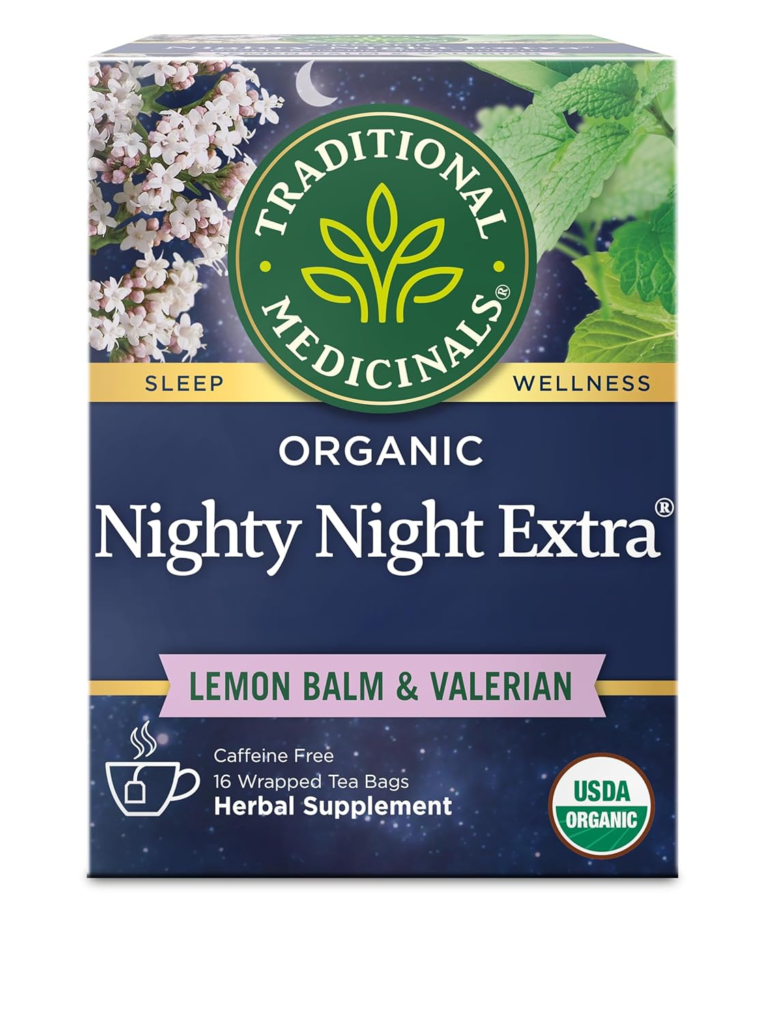
5. The “Physical Restlessness” Heavyweight: Valerian Root
The Scenario: Your muscles are tense, your legs feel twitchy, and you just can’t get comfortable in any position.
Why It Fits: Valerian is often called “nature’s Valium.” It’s one of the strongest herbal sedatives for physical relaxation.
Experience: Earthy, pungent, and very grounding.
Best For: People who have trouble staying asleep once they drift off.
Small Realistic Drawback: Let’s be honest—it smells a bit like old socks. Most people blend it with mint to mask the scent.
6. The “Post-Dinner” Settler: Peppermint & Lemon Balm
- The Scenario: You ate a big meal too late, and the physical discomfort of bloating is keeping you awake.
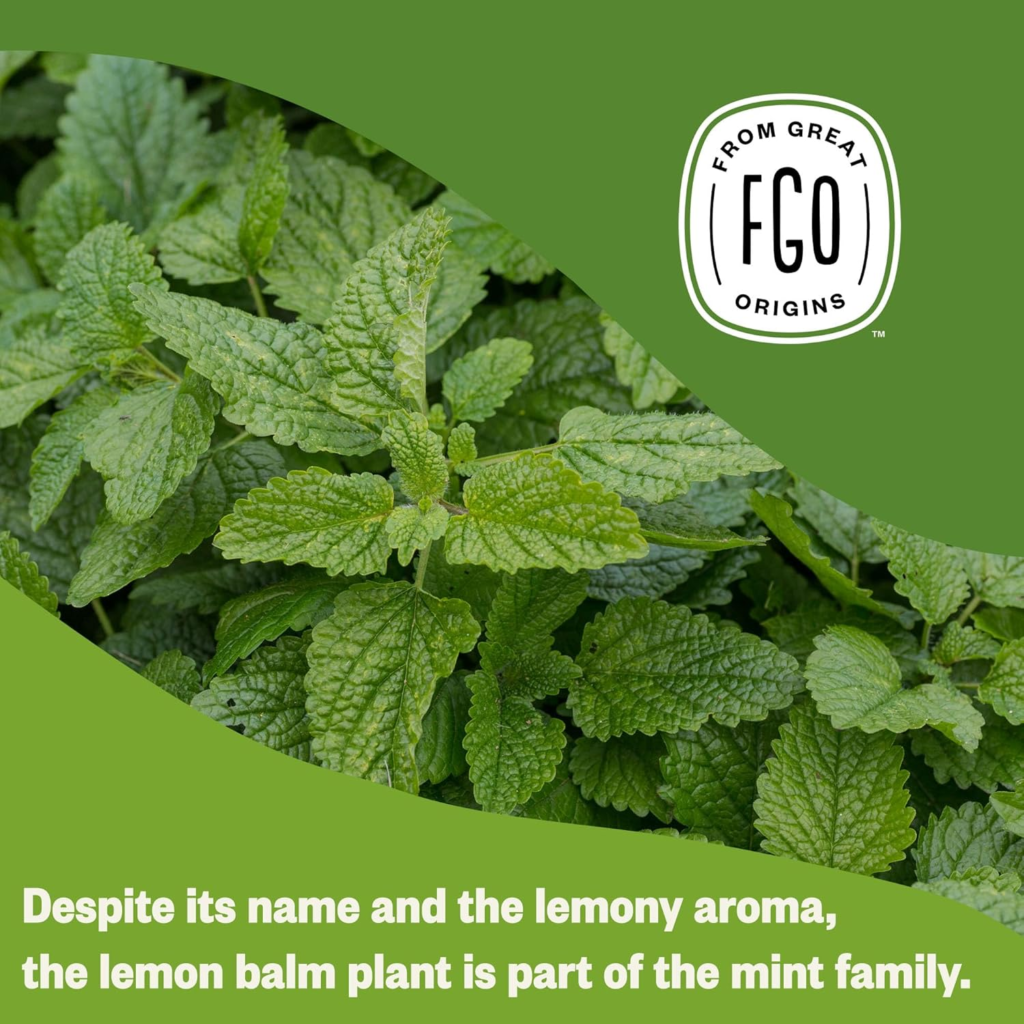
- Why It Fits: Peppermint relaxes the digestive tract, while lemon balm is a member of the mint family specifically used to reduce anxiety and stress.
- Experience: Cooling, refreshing, and crisp.
- Best For: Those who experience “stomach-related” sleep issues.
- Small Realistic Drawback: Peppermint can occasionally worsen heartburn for people with GERD.
What to Avoid Before Bed
- The “Detox” Tea Trap: Many “teatox” or slimming teas contain senna, which is a stimulant laxative. You will not be sleeping; you will be running to the bathroom.
- Aged Pu-erh or Dark Teas: While they feel “earthy,” they often still contain significant caffeine levels.
- Too Much Liquid: Drinking a giant 20oz mug right before bed is a recipe for a 4 AM wake-up call to the bathroom.
- Sugar-Loaded Fruit Blends: Spiking your blood sugar at 11 PM will lead to a 3 AM cortisol spike, waking you up.
Finding Your Perfect Match
- For the Office Professional: Look for portable, “office-friendly” herbal sachets like Rose or Goji-based blends that can be brewed in a simple desk mug.
- For the Keto/Low-Carb Sleeper: Stick to plain Chamomile or Valerian. Avoid fruit-heavy blends that might include dried berries with hidden sugars.
- For the High-Stress Traveler: Lavender-infused sachets are great because the scent alone starts the relaxation process in a cramped airplane or hotel room.
FAQ
How long before bed should I drink my sleep tea?
Aim for 30 to 60 minutes before you want to be unconscious. This gives the compounds time to hit your system and gives your bladder time to process the liquid before you actually tuck in.
Can I drink these teas every night?
Most herbal teas like Chamomile and Lemon Balm are safe for nightly use. However, “heavier” herbs like Valerian are best used for a few weeks at a time rather than indefinitely.
Can I drink these at my desk during the day?
Only if you don’t mind feeling a bit “floaty.” For office hours, it’s better to stick to lighter rose blends rather than heavy Valerian.
Do I need to add honey?
Many of these, especially Goji and Longan, are naturally sweet. Try them plain first to avoid the “sugar wake-up” later in the night.
Which tea is best for stress-induced insomnia?
If the stress feels “heavy” in your chest, go for Rose. If the stress feels like “racing thoughts,” go for Lavender and Chamomile.
Is green tea good before bed?
Usually not. Most green tea still contains caffeine, which may make it harder to fall asleep, especially for caffeine-sensitive people.
Does sleep tea actually work?
For many people, sleep tea helps create a relaxing nighttime routine. The warmth, aroma, and caffeine-free ingredients may help the body feel calmer before bed.