

For years, chamomile tea has been one of the most popular herbal teas associated with sleep, relaxation, and bedtime routines. But does chamomile tea actually help you sleep, or is it mostly just a comforting habit?
The “Biological Switch”: How Chamomile Works
The primary reason chamomile is synonymous with sleep is a flavonoid called apigenin. This compound binds to specific receptors in your brain that decrease anxiety and initiate sleepiness. It functions less like a “knockout pill” and more like a gentle dimmer switch for your nervous system.
Beyond the brain, chamomile acts as a mild antispasmodic. If your sleep is interrupted by physical tension or a “nervous stomach” after a late-night meal, chamomile helps relax smooth muscle tissues, addressing the physical barriers to rest.
A TCM Perspective: Does It Match Your “Body Type”?
In the philosophy of Medicine and Food Homology, we don’t just ask if a food is healthy, but who it is healthy for. In Traditional Chinese Medicine (TCM), sleep issues are often categorized by your Constitution.
| Constitution Type | Sleep Struggle | Is Chamomile the Answer? |
| Yin Deficiency | “Empty heat,” night sweats, and feeling “wired but tired.” | Yes. Its cooling nature helps clear internal heat to settle the mind. |
| Qi Stagnation | Emotional fluctuation, chest tightness, and overthinking. | Yes. It helps “unbind” the liver Qi and smooth out emotional flow. |
| Yang Deficiency | Cold hands/feet and frequent nighttime urination. | Caution. Being slightly cooling, it should be paired with ginger or goji berries to avoid “chilling” the stomach. |
The “Nourish to Resolve” Rule: If you are a high-stress professional (Qi Stagnation), chamomile is a portable, office-friendly way to prevent daytime stress from turning into nighttime insomnia.
How to Make Chamomile Tea
To get the true chamomile tea benefits, you can’t just dip a bag in lukewarm water. You need to treat it like the medicine it is.
- The Measure: Use 2–3 teaspoons of dried chamomile flower or one high-quality tea bag.
- The Water: Use “off-the-boil” water (around 90°C).
- How long to steep chamomile tea: This is the most common mistake. For a sedative effect, cover your mug and steep for at least 5–10 minutes. This traps the essential oils (apigenin) that would otherwise escape with the steam.
- The Twist: Chamomile tea with honey isn’t just for taste; the honey provides a glucose micro-boost that helps the brain process the calming signals of the tea.

To ensure your chamomile tea actually moves the needle on your sleep quality, follow these three non-negotiables:
- Steep it Long Enough: Most people pull the bag after two minutes. For sedative effects, steep covered for 10–15 minutes to keep the essential oils from evaporating.
- Check the Source: Look for “Whole Head” Roman or German chamomile. If it looks like dust in a bag, the active apigenin has likely oxidized.
- Timing is Everything: Drink your cup 45 minutes before you intend to close your eyes. This allows enough time for the physical relaxation to kick in without forcing a midnight trip to the bathroom.
- The Temperature Factor: Don’t drink it boiling hot. TCM emphasizes that “scorching the throat” agitates the spirit. Let it cool to a comfortable 50°C to 60°C to soothe the stomach.
Beyond Sleep: What is Chamomile Tea Good For?
While most people know chamomile tea for sleep is a classic remedy, its advantages extend far deeper into your physical “hardware”:
- Stomach Acid & Digestion: If you suffer from acid reflux or heartburn after a quick lunch, the tea acts as a mild anti-inflammatory for the gut. It is widely considered good for stomach acid issues because it helps relax the muscle contractions that push acid upward.
- Sore Throat & Immunity: Chamomile tea and sore throat relief go hand-in-hand. The steam clears the nasal passages while the tea’s antimicrobial properties soothe the lining of the throat.
- Blood Pressure & Heart Health: Some studies suggest that regular consumption does chamomile tea lower blood pressure by reducing systemic stress, though it should never replace clinical medication.
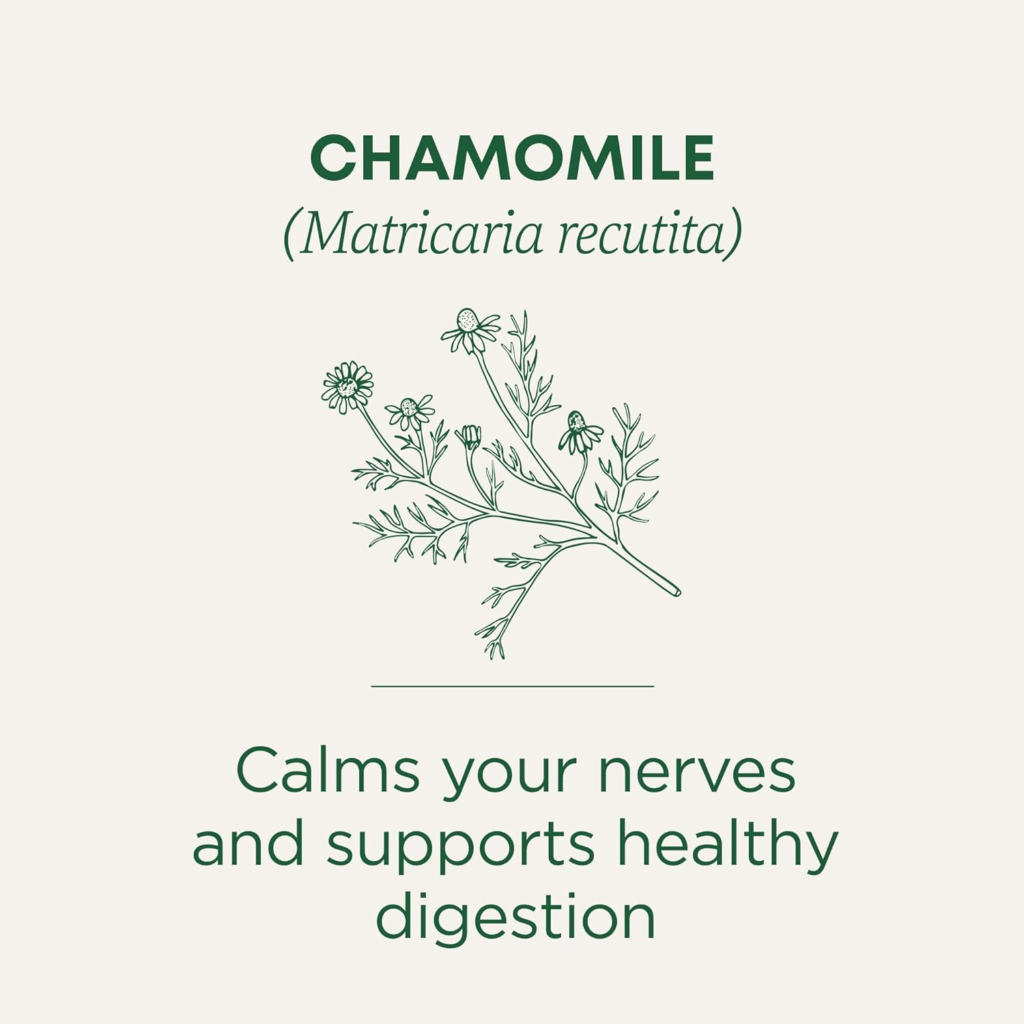
Whether you are looking for chamomile tea weight loss support (by replacing sugary late-night snacks) or seeking chamomile tea benefits sexually (by reducing the performance anxiety and stress that kills libido), this tea is about resolution. It resolves the tension in your muscles, the acidity in your gut, and the noise in your mind.
The Office Hack: For those in “Nourish to Resolve” mode, chamomile isn’t just for bedtime. A weak brew during a stressful afternoon meeting can prevent the cortisol spike that ruins your sleep eight hours later.
FAQ
What does chamomile tea taste like?
It’s earthy, floral, and slightly sweet—reminiscent of a crisp apple. But its real “flavor” is the sense of perspective it provides.
Can dogs have chamomile tea?
Surprisingly, yes. In very small, diluted amounts, it can help with a pet’s indigestion or anxiety, but check with a vet first to avoid chamomile tea side effects like allergic reactions.
Is chamomile tea safe during pregnancy?
Generally, yes, in moderate food-grade amounts. It is often cited as chamomile tea okay during pregnancy for morning sickness. However, because it can act as a mild uterine stimulant in massive doses, always consult your doctor.
Can i drink chamomile tea while breastfeeding
Most experts agree you can drink chamomile tea while breastfeeding, as it is one of the gentlest herbs available.
Do chamomile tea contain caffeine
It is naturally caffeine-free and associated with calming nighttime routines. Many people drink chamomile tea before bed to help reduce stress, mentally unwind, and create a quieter transition into sleep. While it may not instantly make everyone sleepy, it often works especially well as part of a relaxing evening routine with reduced stimulation and better sleep habits.