

Enter chai tea—an ancient botanical ritual that embodies the philosophy of “Medicine and Food Homology”. Far more than just a spiced latte, authentic chai is a masterpiece of herbal synergy designed to soothe the gut and harmonize the spirit.
What is Chai Tea? A Symphony of Spices
If you’ve ever walked into a café and wondered, “what’s in chai tea?” the answer is as rich as its history.
Strictly speaking, “Chai” simply means “tea” in Hindi. When we talk about it in the West, we are usually referring to Masala Chai—a blend of strong black tea, creamy milk, and a bouquet of warming spices. Where does chai tea come from? Its roots are in India, where it was traditionally used as a flavorful way to soothe the body and nourish the spirit.
What’s in chai tea: Chai Tea Ingredients
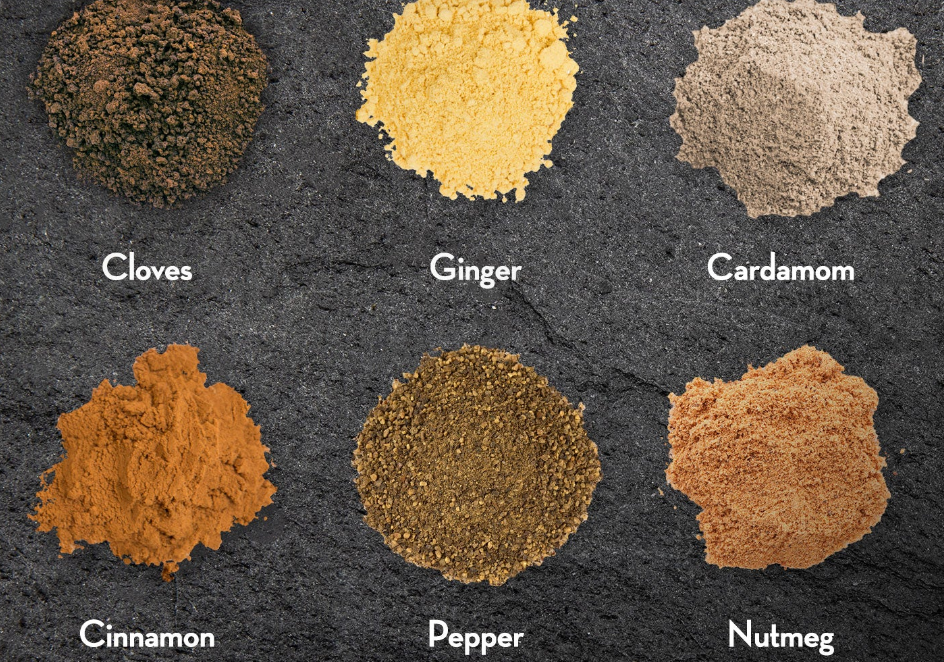
What makes the properties of chai tea so unique is the synergy of its botanicals. A traditional blend usually features:
- Black Tea: Providing the robust base and the “gentle lift.”
- Ginger: For a spicy kick that helps condition the digestive system.
- Cinnamon: Adds natural sweetness and a comforting aroma.
- Cardamom: The floral “soul” of the tea.
- Cloves & Black Pepper: For a deep, lingering warmth that helps balance the palate.
Does Chai Tea Have Caffeine?
One of the most frequent searches for tea beginners is: does chai tea have caffeine? The short answer is yes. Since authentic chai uses a black tea for chai latte base, it naturally contains caffeine. However, the chai tea coffee differences comparison is where things get interesting.
- Coffee: Delivers a sharp, acidic spike of caffeine that can lead to jitters and a sudden crash.
- Chai Tea: Contains roughly 30-55mg of caffeine per cup (about 1/3 to 1/2 of a cup of coffee).
Because tea contains L-theanine, an amino acid that promotes relaxation, the energy from a chai is released slowly. It’s a “sustained focus” rather than a “temporary jolt.”
The Caffeine-Free Alternative
The tannins in tea allow for a slow, sustained release of energy. Instead of the “jolt and crash” of coffee, you receive a nourishing clarity. For those who are strictly caffeine-sensitive, options like Rooibos Chai provide a 100% caffeine-free alternative that still delivers the same warming botanical benefits.
Is chai tea good for you?
Absolutely. When you look at the advantages of chai tea, you realize it’s more than just a tasty beverage—it’s a functional drink.
- Digestive Harmony: Spices like ginger and cardamom have been used for centuries to soothe occasional bloating and harmonize the gut.
- Antioxidant Support: Black tea and cloves are packed with antioxidants that help nourish the body at a cellular level.
- Metabolic Balance: Ingredients like cinnamon are known to help condition the body’s natural ability to manage energy levels.
- Mental Clarity: The lower caffeine dose helps balance your mood, keeping you alert yet calm.
- The “Cold-Body” Type: If you always have cold hands and feet, the warming spices in these blends are your best friend.
The Blue Lotus Chai Difference: Purity and Versatility
If you’ve tried making chai at home before, you might have struggled with how to make chai latte with tea bag versions that taste watery, or sugary syrups that feel heavy. This is where Blue Lotus Chai changes the game.
Why Blue Lotus?
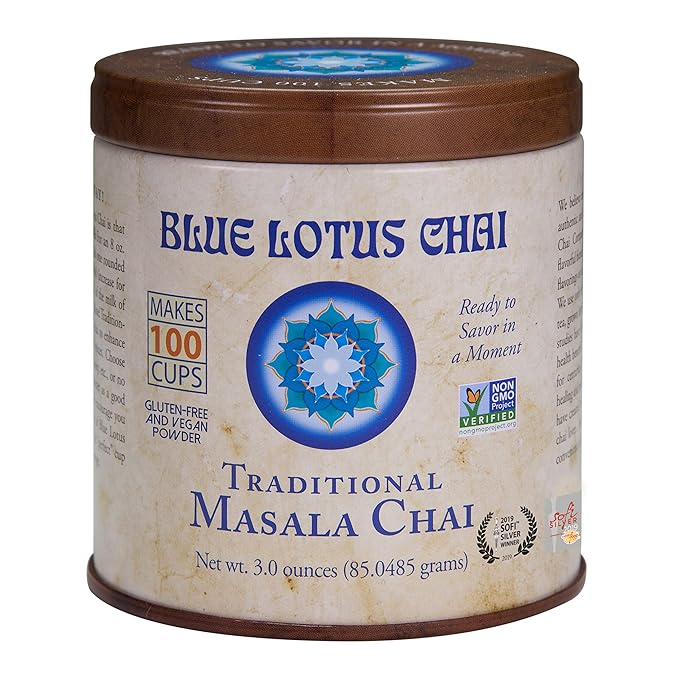
Most “instant” chais are filled with maltodextrin, milk powders, and excessive sugar. Blue Lotus Chai is different. It is a concentrated powder made of just tea and spices.
- Pure & Sugar-Free: It is a chai tea sugar free base, giving you total control.
- No Fillers: No “junk” ingredients, just pure botanical power.
- Economical: One small tin makes up to 100 cups.
One Tin, Infinite Possibilities (The DIY Spirit)
The beauty of a pure powder is the DIY potential. You aren’t stuck with one flavor profile.
- The Sweetness Factor: We recommend adding a touch of natural sugar. Honey, maple syrup, or coconut sugar harmonize beautifully with the spicy notes without the “empty” sweetness of refined white sugar.
- The Milk Choice: Whether you prefer whole dairy, creamy oat milk, or nutty almond milk, the powder dissolves instantly to create a barista-quality chai tea latte.
- The “Dirty Chai”: Need an extra kick? Add a shot of espresso to your chai for a complex, high-energy fusion.
- The Summer Refresh: Dissolve the powder in a little hot water, pour over ice, and add cold milk for a refreshing cold chai tea.
What does chai tea taste like
| Variety | What It Tastes Like | Best For… |
| Traditional Masala Chai | The gold standard. Balanced ginger, pepper, and cardamom. | The flagship choice for those seeking the classic, warming rhythm of India. |
| Star Anise Masala Chai | Deep, licorice-like notes with a sophisticated sweetness. | Ideal for those who love deep, licorice-like notes and extra digestive support. |
| Rooibos Chai | Earthy, naturally sweet, and 100% caffeine-free. | The ultimate choice for evening relaxation or for those wondering is chai tea safe during pregnancy (it’s caffeine-free and organic, though always consult your specialist). |
| Golden Masala Chai | Earthy and vibrant, featuring Turmeric and Maca. | Boosted with Turmeric and Maca, this is the “Superfood” choice to nourish long-term vitality.Post-yoga recovery or extra vitality. |
How to make chai tea?
Making chai tea (often called masala chai) is simple, but the flavor comes from how you balance spices, tea, milk, and sweetness.
Quick Version (Lazy Method)
- Boil water→ Add a chai tea bag (premixed chai masala)→ Add milk + sugar→ Simmer briefly and strain
Classic Chai Tea Recipe
Ingredients:
- 1 cup water
- 1 cup milk (whole milk works best, but any is fine)
- 1–2 tsp black tea (like Assam or English Breakfast)
- 1–3 tsp sugar (or honey, to taste)
Spices (customizable):
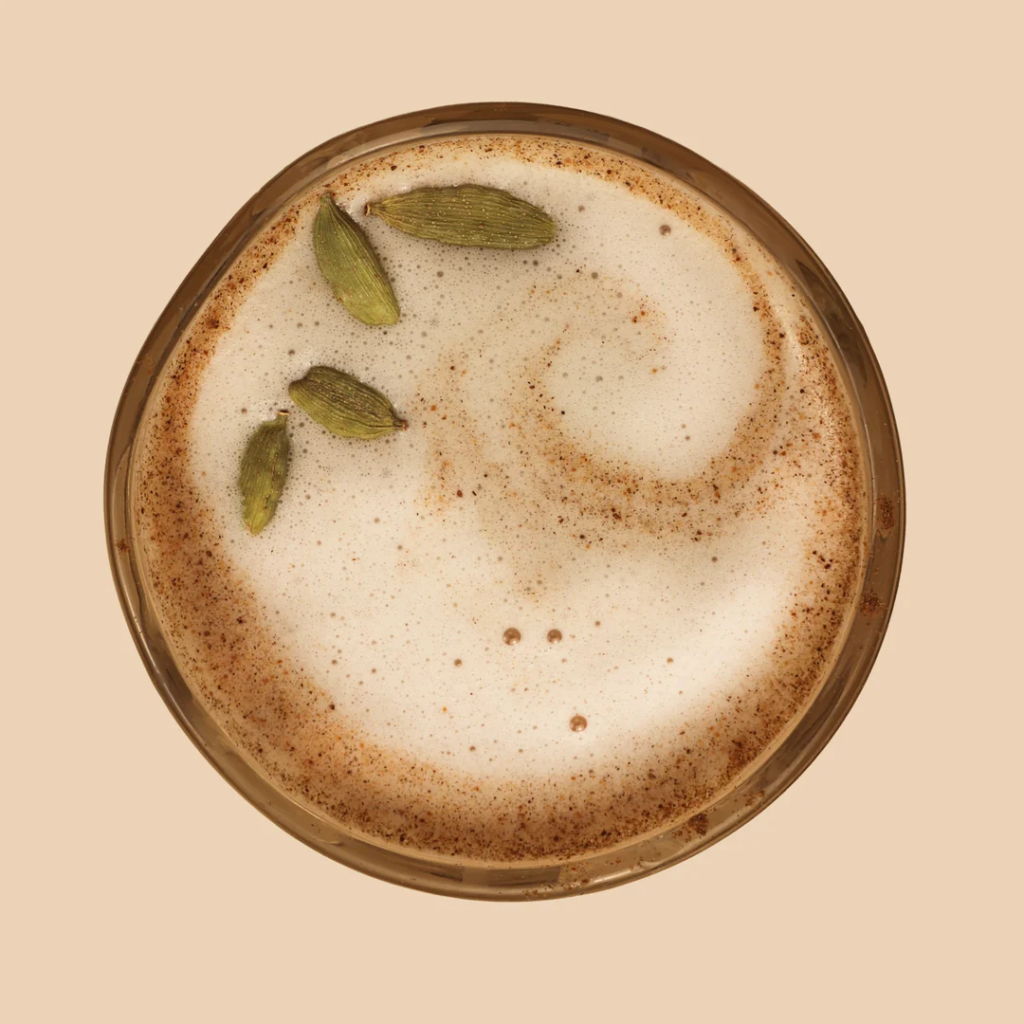
- 2–3 green cardamom pods (crushed)
- 1 small cinnamon stick
- 2–3 slices fresh ginger
- 2 cloves
- Optional: black pepper, star anise, fennel seeds
Steps:
- Boil water + spices
Add water and all spices to a pot. Let it simmer for 3–5 minutes to extract flavor. - Add tea leaves
Stir in the tea and simmer for about 1–2 minutes. - Add milk + sugar
Pour in milk and sugar. Bring to a gentle boil (watch it—it can rise quickly). - Simmer & blend flavors
Lower heat and simmer for another 2–3 minutes. - Strain & serve
Strain into a cup and enjoy hot.
Tips to Make It Better
- Stronger chai: simmer longer or add more tea
- Creamier: increase milk ratioCreamier:
- More spicy: add ginger + black pepper:
- Less bitter: reduce boiling time after adding tea
How to make chai tea latte (like Starbucks)
If you’re aiming for that smooth, slightly sweet coffee shop vibe like Starbucks, here’s how to recreate it at home.
After making the chai concentrate, stir in sugar and a drop of vanilla. Then heat and froth the milk. Pour the chai concentrate into a cup, add the hot milk, and stir gently.
Pro Tips (this is what makes it feel like Starbucks)
- Use more sugar than you think — Starbucks chai is fairly sweet
- Add vanilla → this is the “secret” flavor note
- Use fine ground spices or strain well for a smooth texture
- For extra richness, use 2% or whole milk
Iced Chai Latte Version
- Make the same concentrate→ Let it cool→ Pour over ice→ Add cold milk
how to make chai latte with tea bag
Forget the complicated boiling of whole spices for hours. Here is how to make chai tea in under two minutes:
- The Base: Take the tiny wooden scoop (included in the Blue Lotus tin) and add one scoop of powder to your mug.
- The Activation: Pour in about 2 inches of boiling water. Stir to let the spices “bloom” and the tea dissolve.
- The Sweetener: Add your choice of natural sugar (a teaspoon of Manuka honey or maple syrup is elite here).
- The Cream: Fill the rest of the mug with hot, frothed milk.
- The Finish: Dust the top with a pinch of cinnamon or cocoa powder.

Is chai tea latte fattening?
The answer depends entirely on the preparation. If you buy a “Chai Latte” from a fast-food coffee chain, you are often consuming 40+ grams of sugar and artificial syrups, which can be high in calories.
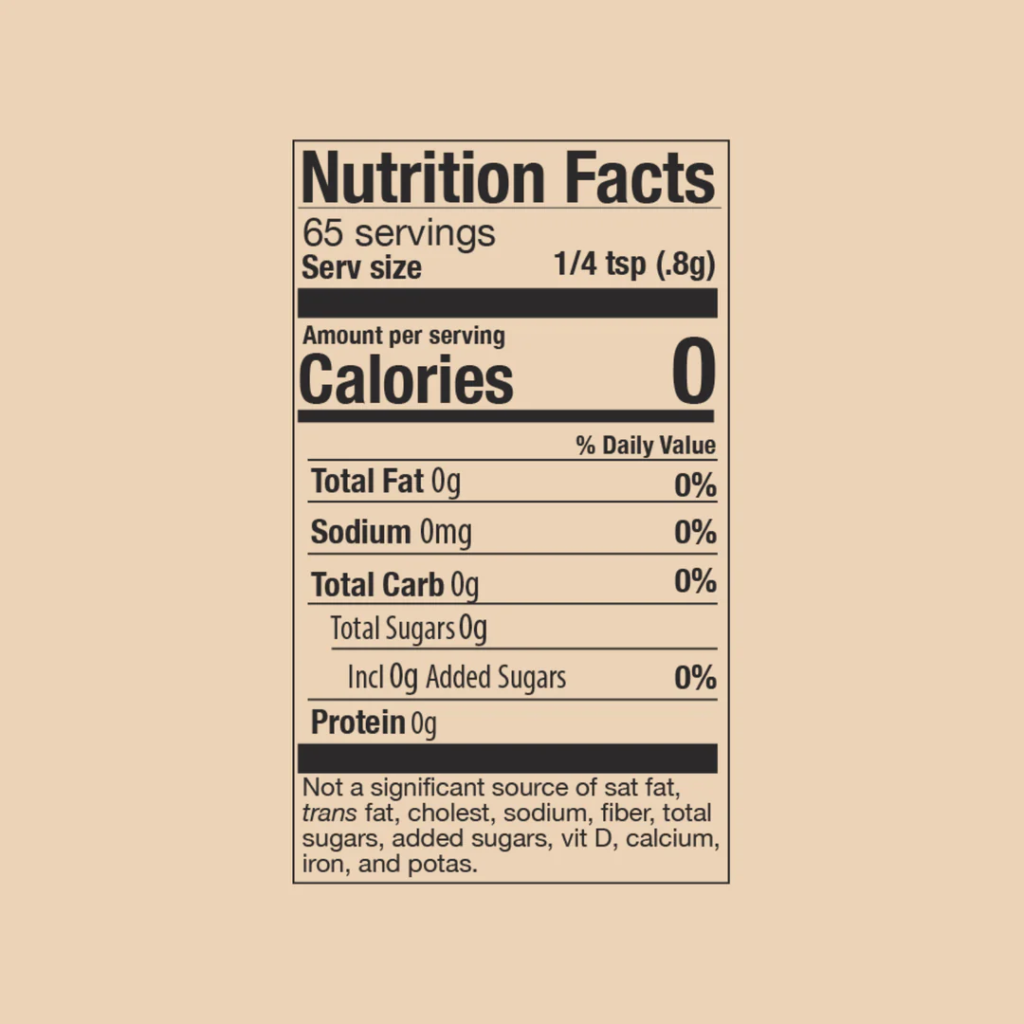
Pure chai tea itself has negligible calories. The chai tea latte nutrition information depends on your choice of milk and sweetener. By using a pure powder like Blue Lotus, you control the balance, making it a perfect fit for a weight-conscious lifestyle.
FAQ: Your Top Chai Questions Answered
1. How much caffeine is in chai tea compared to green tea?
Generally, a black tea-based chai has slightly more caffeine than green tea (approx. 40mg vs 25mg). However, the warming spices in chai make it feel more “grounding.”
2. What does chai tea taste like if I don’t add milk?
Without milk, it is a “Spiced Black Tea.” It is brisk, spicy, and very aromatic. Adding milk (or a dairy alternative) is what creates the classic “latte” texture that helps soothe the spicy bite of the ginger and pepper.
3. Is a chai tea latte good for you during the winter months?
It is the perfect seasonal companion. The “warming” nature of the chai tea ingredients helps condition the body against the chill, providing a sense of comfort and internal warmth.
Ready to find your new favorite blend? Whether you crave the classic heat of the Traditional Masala or the caffeine-free calm of the Rooibos, the world of chai invites you to slow down, breathe in the spice, and find your balance.